Monsoon Magic: Why the Rainy Season Is Rajasthan's Best-Kept Travel Secret
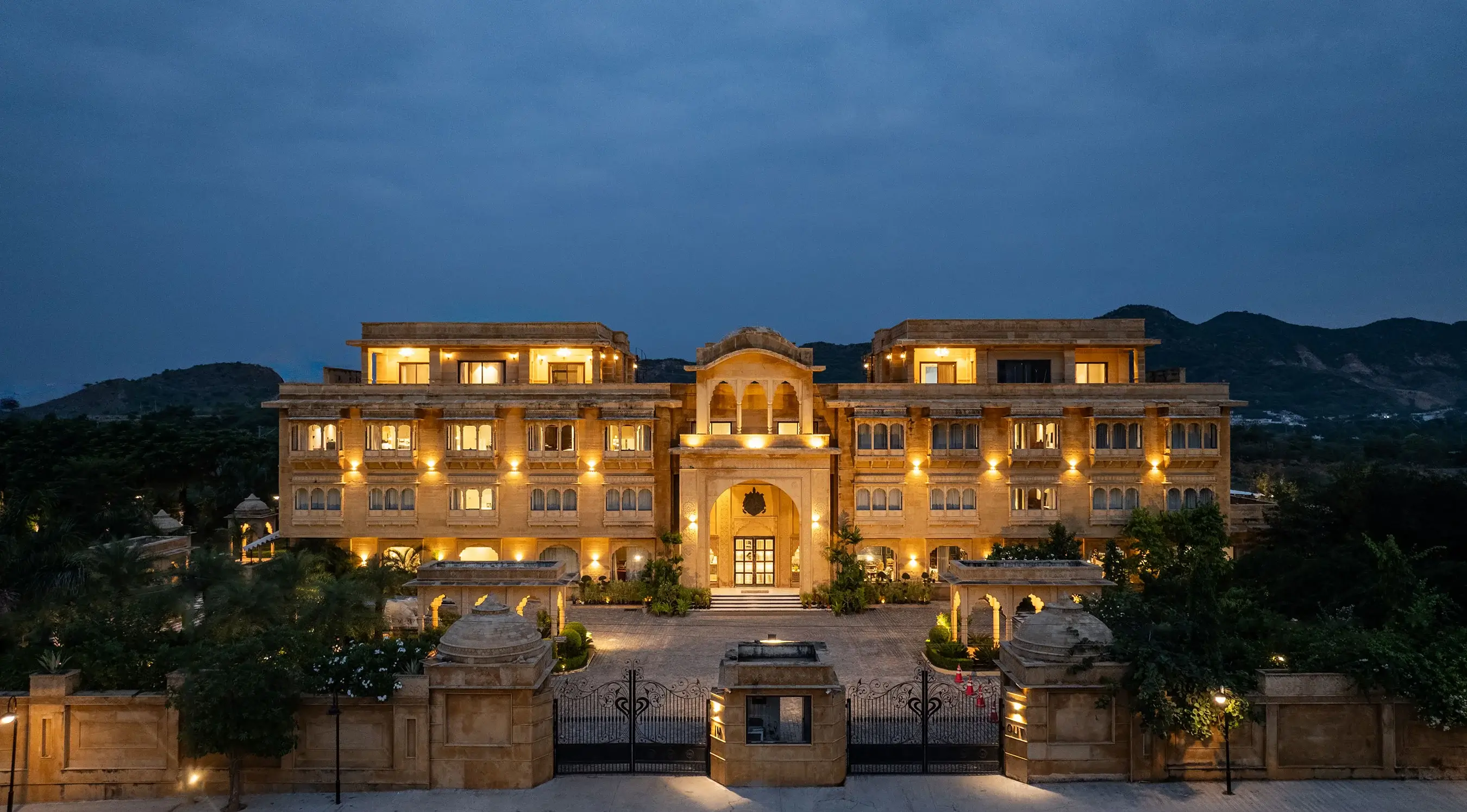
Sahdev Bagh Hotel has hosted guests through every season, but the ones who come back with the best stories almost always came during the rains.
Most people avoid Rajasthan in July and August. That's the point. While the tourist crowd thins out, the desert turns green, room rates drop, and heritage properties that are usually packed get quiet in a way that's worth planning around. If you've been considering a luxury hotel in Pushkar monsoon is when that experience actually delivers on what the brochures promise.
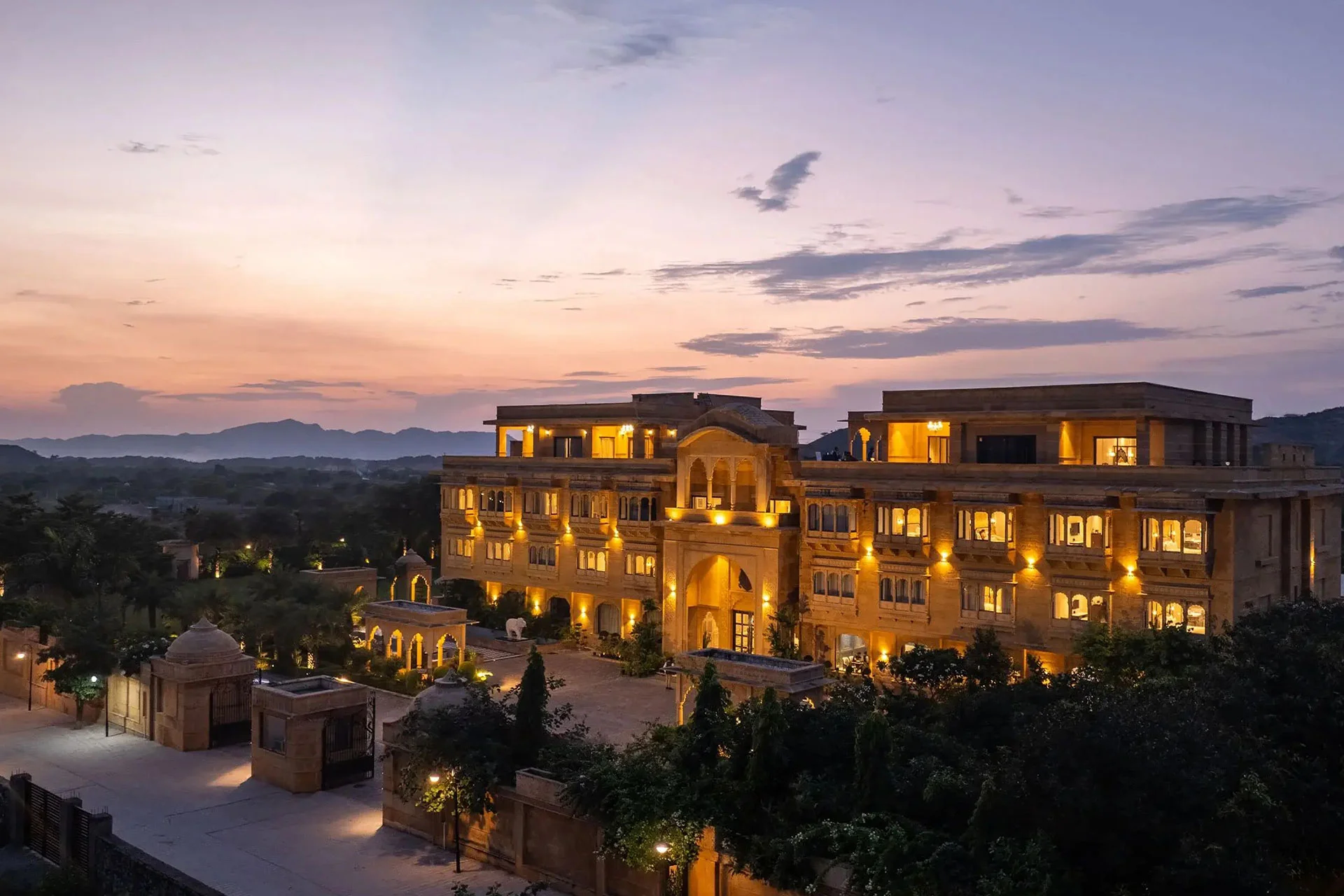
What Makes a Heritage Hotel in Pushkar Different During Monsoon
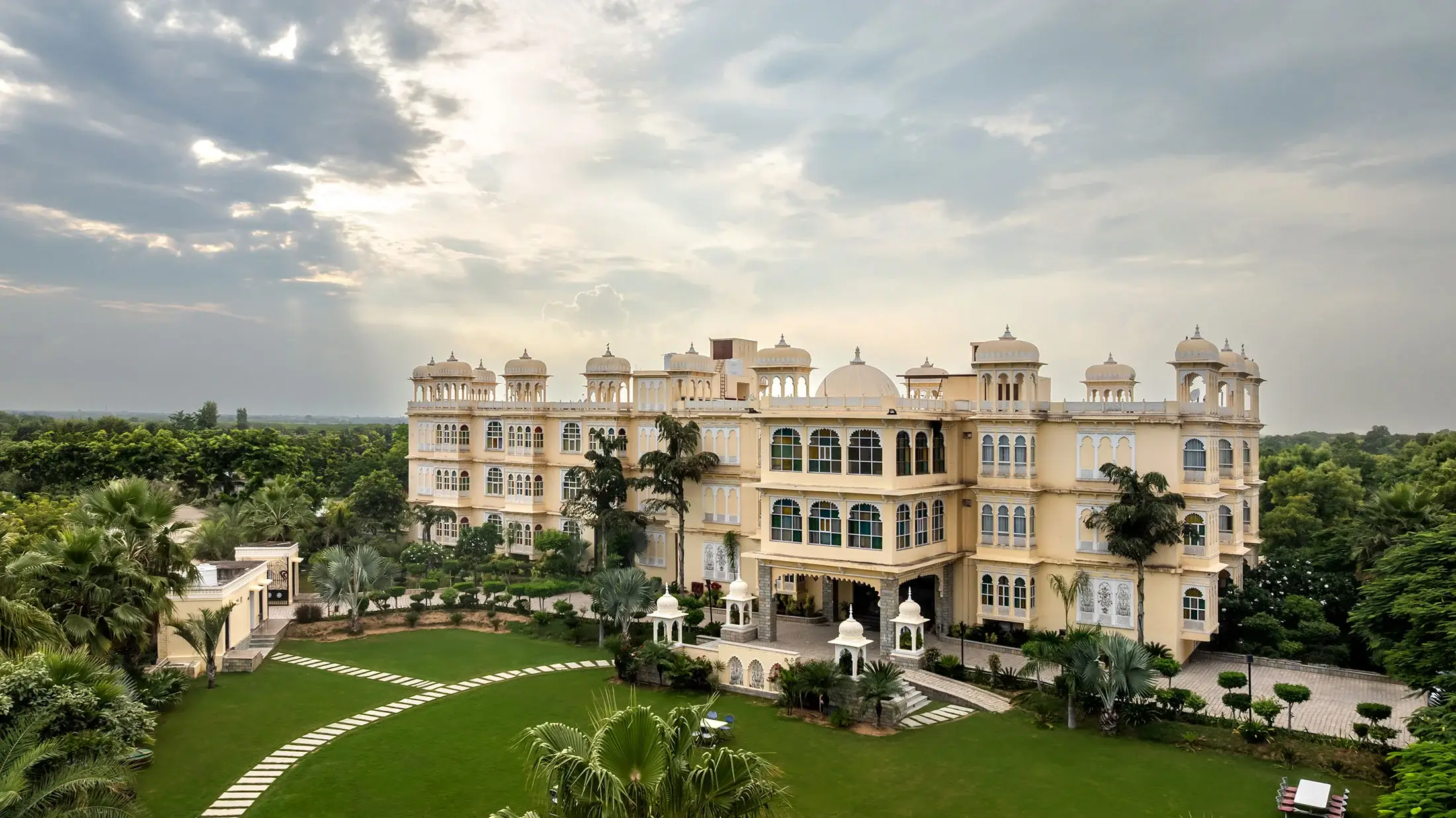
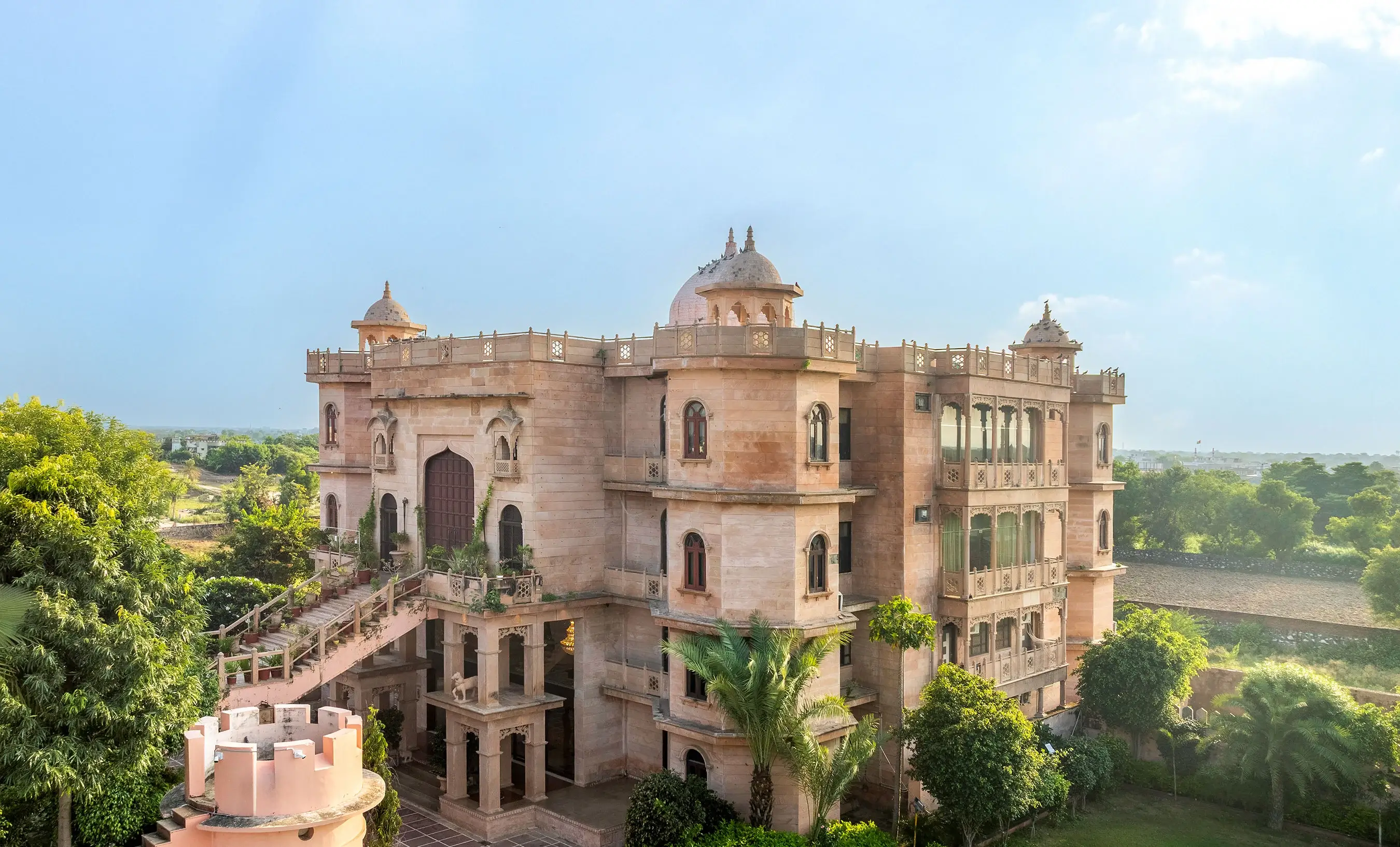
A heritage hotel is a property built in a historic structure, often a haveli, royal hunting lodge, or noble's residence, converted into accommodation while keeping the original architecture intact.
Pushkar's heritage hotels sit differently in the monsoon landscape:
- Stone courtyards reflect the overcast sky in a way that looks nothing like a summer afternoon
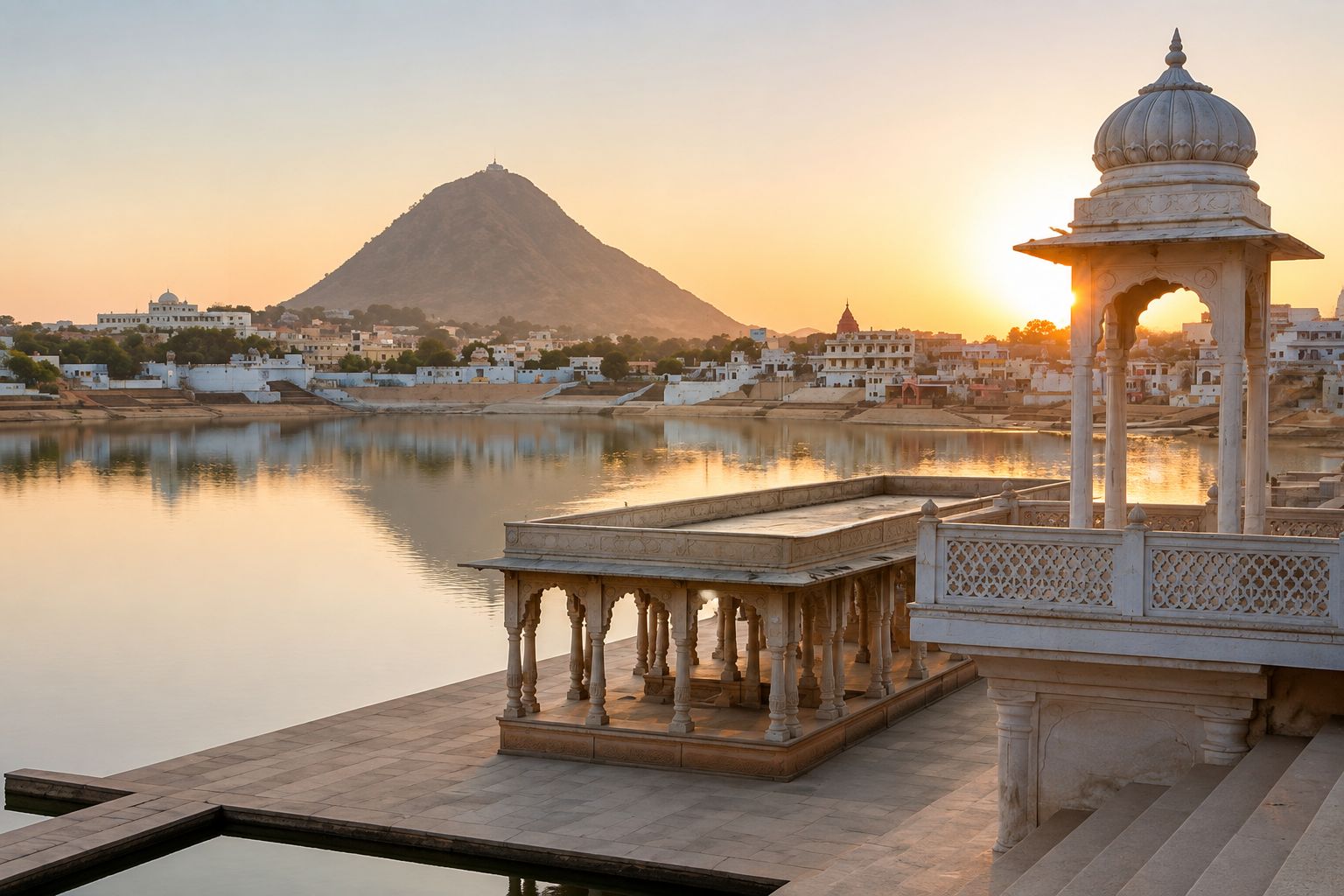
- The lake, which can look receded in peak season, fills back up and changes the whole feel of the town
- Temperature drops to 28–32°C from the 45°C summer peak, making outdoor spaces usable again
- Fewer visitors means staff attention actually gets to you instead of spreading across 60 rooms at once
- Local markets and ghats run on a slower pace, which is the version most worth seeing
Pushkar lake is fed largely by seasonal rainfall. By August, the water level recovers enough that the 52 ghats lining the shore look the way they're supposed to — water reaching the stone steps, boats sitting properly, the whole scene more complete than the dried-back version most peak-season visitors actually see.
4 Reasons to Book a Boutique Hotel in Pushkar Before October
The window between July and September gets overlooked. Here's why that's the wrong call:
- Price drop, not quality drop. Occupancy falls during monsoon, so rates at boutique hotels in Pushkar go down 20–40% without any change to the room, the food, or the service. You're paying off-peak for an on-peak experience.
- The light is different. Overcast afternoons and cloud-filtered mornings produce a kind of light that photographers specifically travel for. Every courtyard and sandstone wall looks better when it's not bleached by direct sun. Golden hour in monsoon starts earlier and lasts longer.
- Heritage architecture was built for this weather. Thick stone walls, shaded courtyards, and jharokha windows were designed before air conditioning existed. Rajput builders used deep-set windows and cross-ventilation patterns that keep interiors 4–6°C cooler than outside. A rainy afternoon in a haveli-style room is the weather those buildings were made for.
- Pushkar's Brahma temple crowd drops sharply. The ghats and the main temple are far easier to actually experience when the pilgrim and tourist numbers are a fraction of what they are in October–December. Pushkar is one of very few towns in India with a working Brahma temple — that visit means more when you can actually stand in front of it without being moved along.
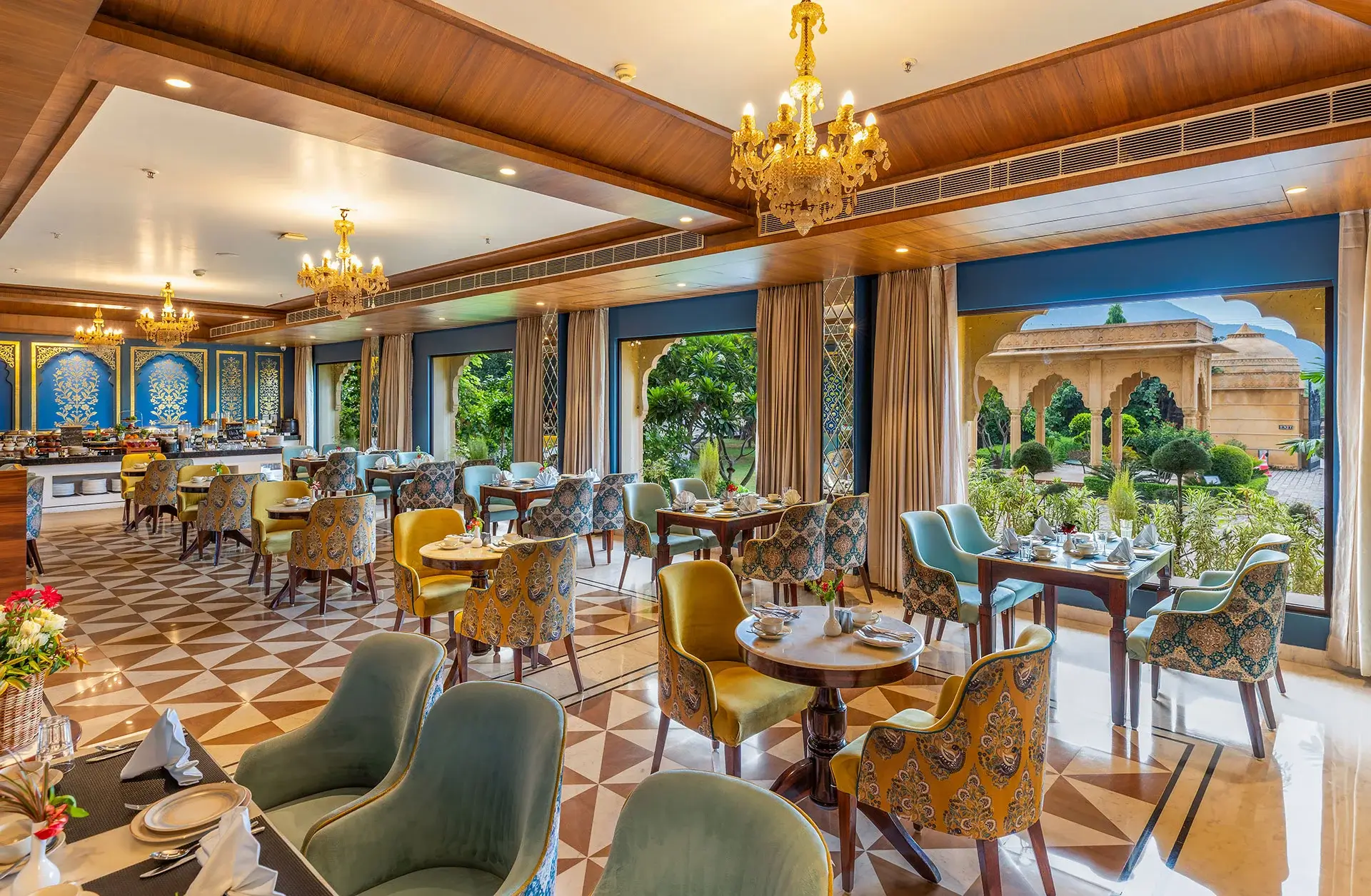
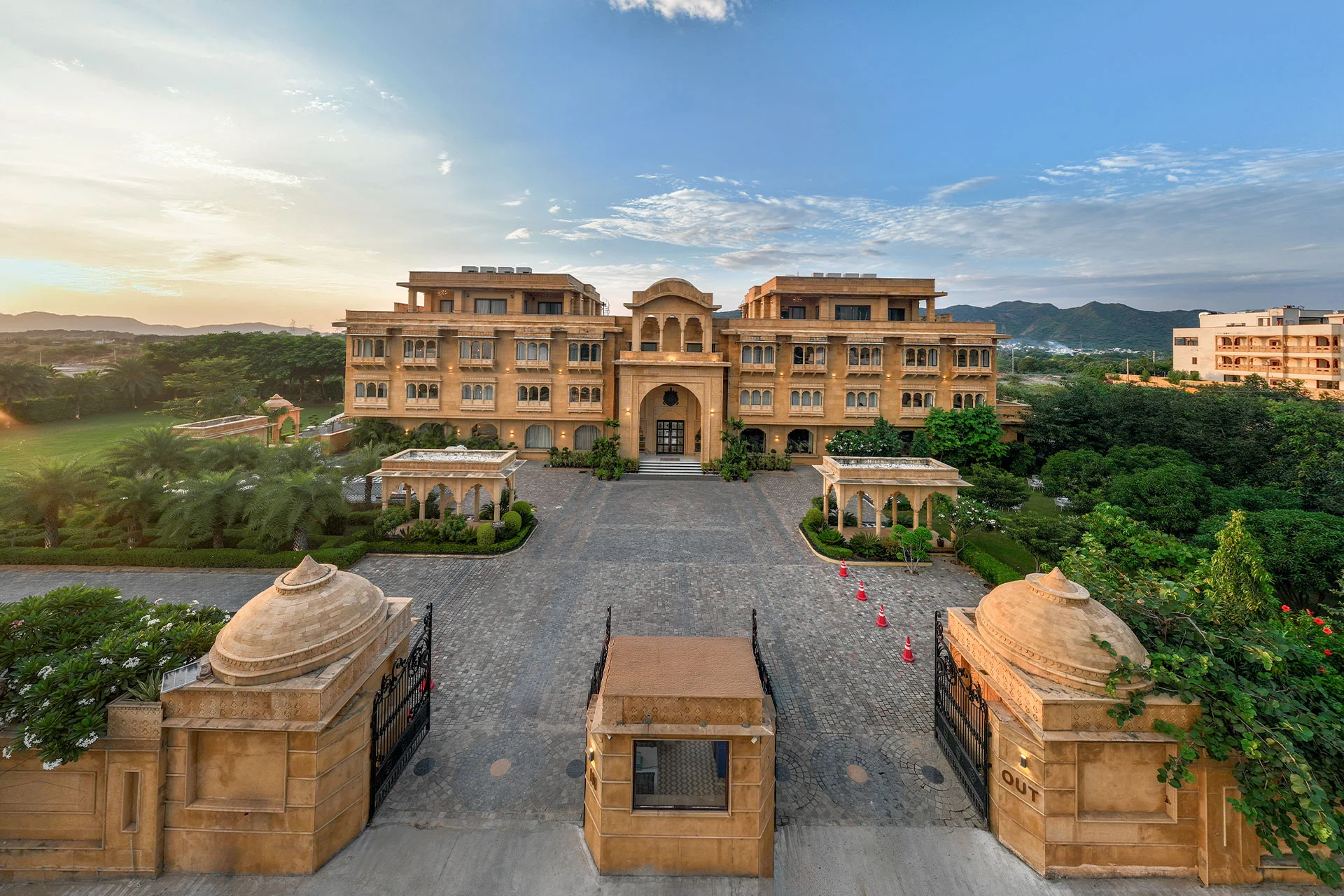
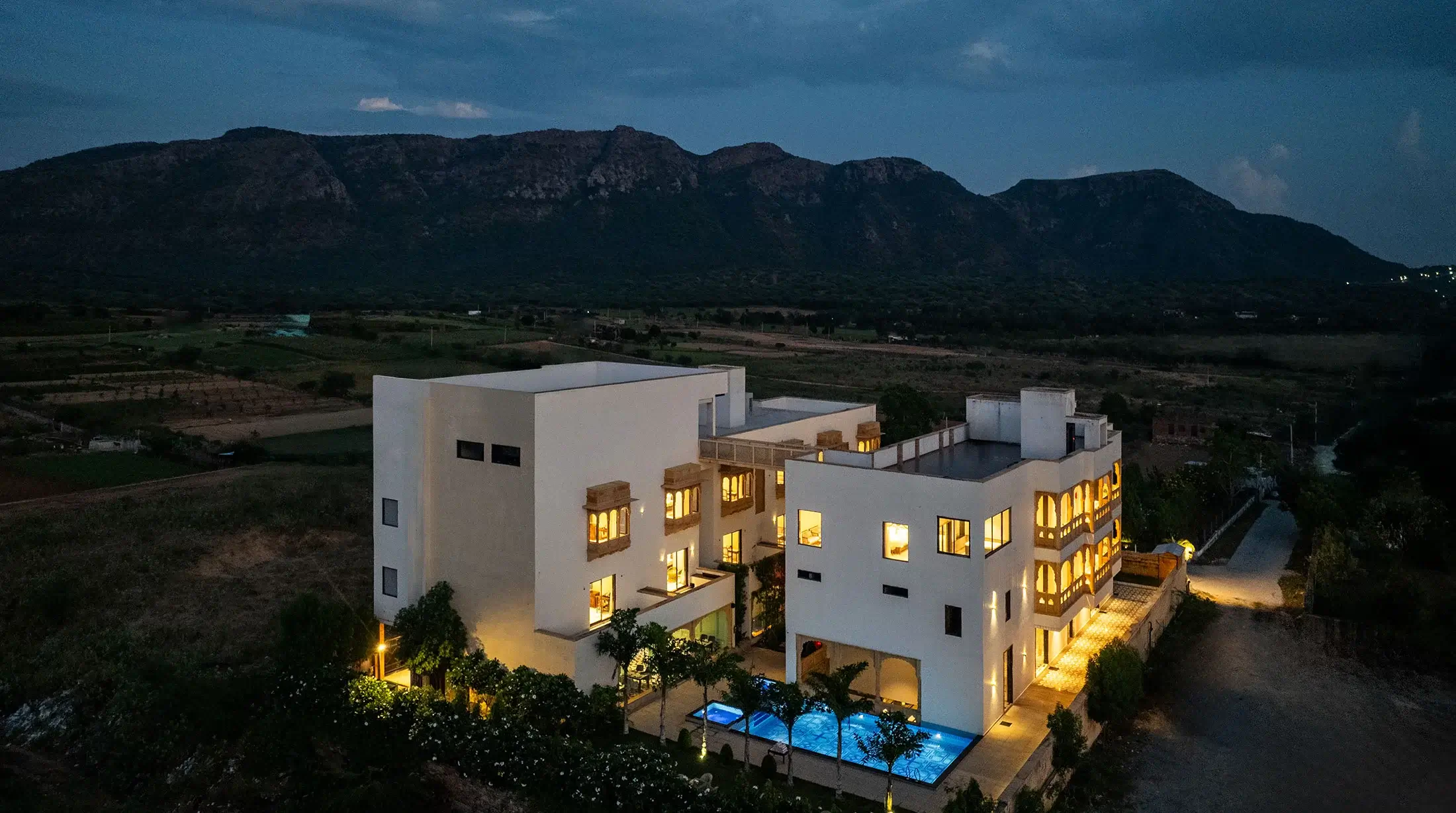
Sahdev Bagh Hotel sits in a property where the monsoon season changes the atmosphere more than any décor change ever could.
Common Mistakes Travelers Make About Monsoon Visits
Most people who skip Rajasthan in the rains do it based on assumptions that don't hold for this region.
- Expecting constant heavy rain. Rajasthan sits in a semi-arid zone and receives an annual average of 300–500mm of rainfall, compared to 2,000mm+ on the Konkan coast. You get rain for a few hours, then clear skies. Most mornings are usable without any rain gear.
- Assuming roads become impassable. Major routes in and out of Pushkar, including the NH-58 via Ajmer, stay functional through monsoon. The Ajmer–Pushkar mountain road can see brief closures after heavy overnight rain, but these clear within hours.
- Thinking the hotel experience suffers. A best hotel in Pushkar designation during peak season means the same property, same staff, same kitchen during monsoon with far fewer people competing for those resources.
- Overlooking the food. Monsoon is when local produce peaks. Ker sangri, the native desert bean and berry combination central to Rajasthani cooking, is at its best after the rains. The seasonal vegetables on a thali plate in August are genuinely different from what arrives in December.
Book with a clear cancellation policy, check the property's drainage setup, and plan for one or two indoor afternoons. That's the actual preparation needed.
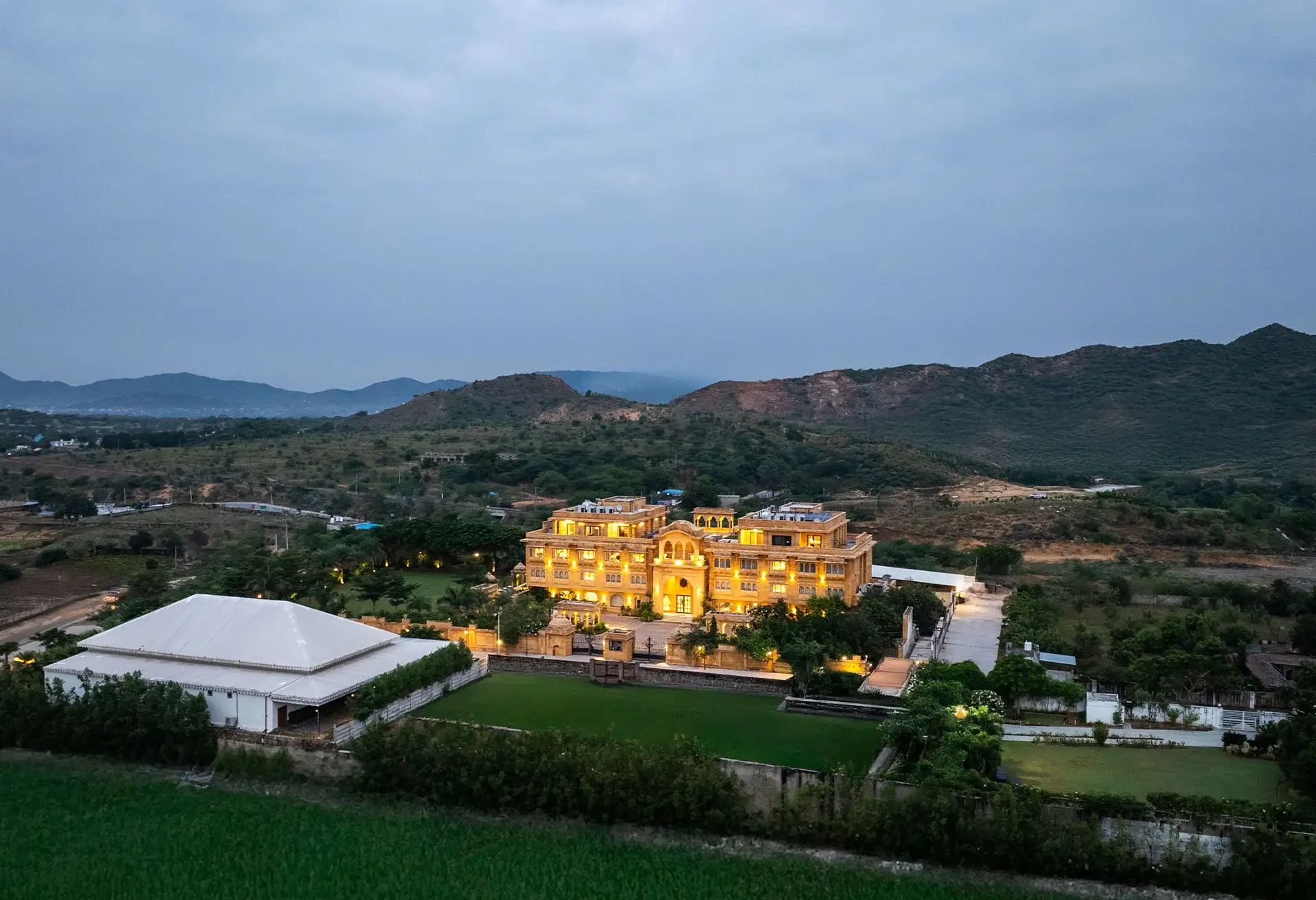
Who Should Visit a Heritage Hotel in Rajasthan During the Rains
Monsoon Rajasthan suits a specific kind of traveler.
- Couples and slow travelers get the most out of it. A heritage property with a private courtyard and a kitchen serving hot chai during an afternoon shower is a version of the trip that crowded peak-season visits can't replicate. Many heritage hotels in Pushkar open their rooftop areas in the evening after rain, when the air temperature drops and the lake catches whatever light is left.
- Photographers and writers tend to treat monsoon as a working season. The low-contrast light, the green against sandstone, the quiet lake in the early morning — these aren't consolation prizes for avoiding peak season. Pushkar's white-washed temples and pale stone ghats look their best against a monsoon sky. The surrounding Aravalli hills, usually dry brown, turn visibly green by late July.
- First-time Rajasthan visitors with flexible dates should seriously consider it. Pushkar during monsoon is easier to navigate, cheaper to stay in, and more likely to produce an experience that doesn't feel rushed or crowded. The camel fair doesn't run in this window, but everything else that makes Pushkar worth visiting does.
Why Sahdev Bagh Hotel Is Worth Booking for Monsoon
- The property has a working heritage structure with original stonework, not a reconstructed replica with heritage branding
- Monsoon rates reflect real occupancy, not manufactured discounts with hidden minimum stays
- The kitchen stays fully staffed through off-season, which matters when a rainy afternoon and a good meal are the entire plan
- Location within Pushkar means the lake view and the Brahma temple are walkable, not a 20-minute drive
If you want a luxury hotel in Pushkar experience without sharing it with 200 other guests, the booking window is July to September.
Book Before the Crowd Figures This Out
Rajasthan in the monsoon isn't a backup plan. It's a different trip — lower prices, better availability, and an atmosphere that peak-season crowds actively work against. The semi-arid climate keeps rain short and manageable. The heritage architecture handles the weather better than modern builds. The food is more seasonal. The town is quieter. Heritage properties like Sahdev Bagh Hotel exist to give guests time inside a real historic building, and monsoon is when that actually happens without the rush. Availability in July–September fills slower than October onwards, but it does fill. Check dates before the rest of the market figures this out.
At Sahdev Bagh Hospitality, our vision has always been to create experiences that celebrate Rajasthan’s heritage with heartfelt hospitality. As a luxury hotel in Pushkar and a sought-after wedding resort, we take pride in offering elegant stays, unforgettable celebrations, and personalised service. Every guest becomes a part of our story, making every visit and every wedding truly memorable.