The International Traveler’s Guide to Pushkar: Experiencing Rajasthan’s Holy Town with Sahdev Bagh
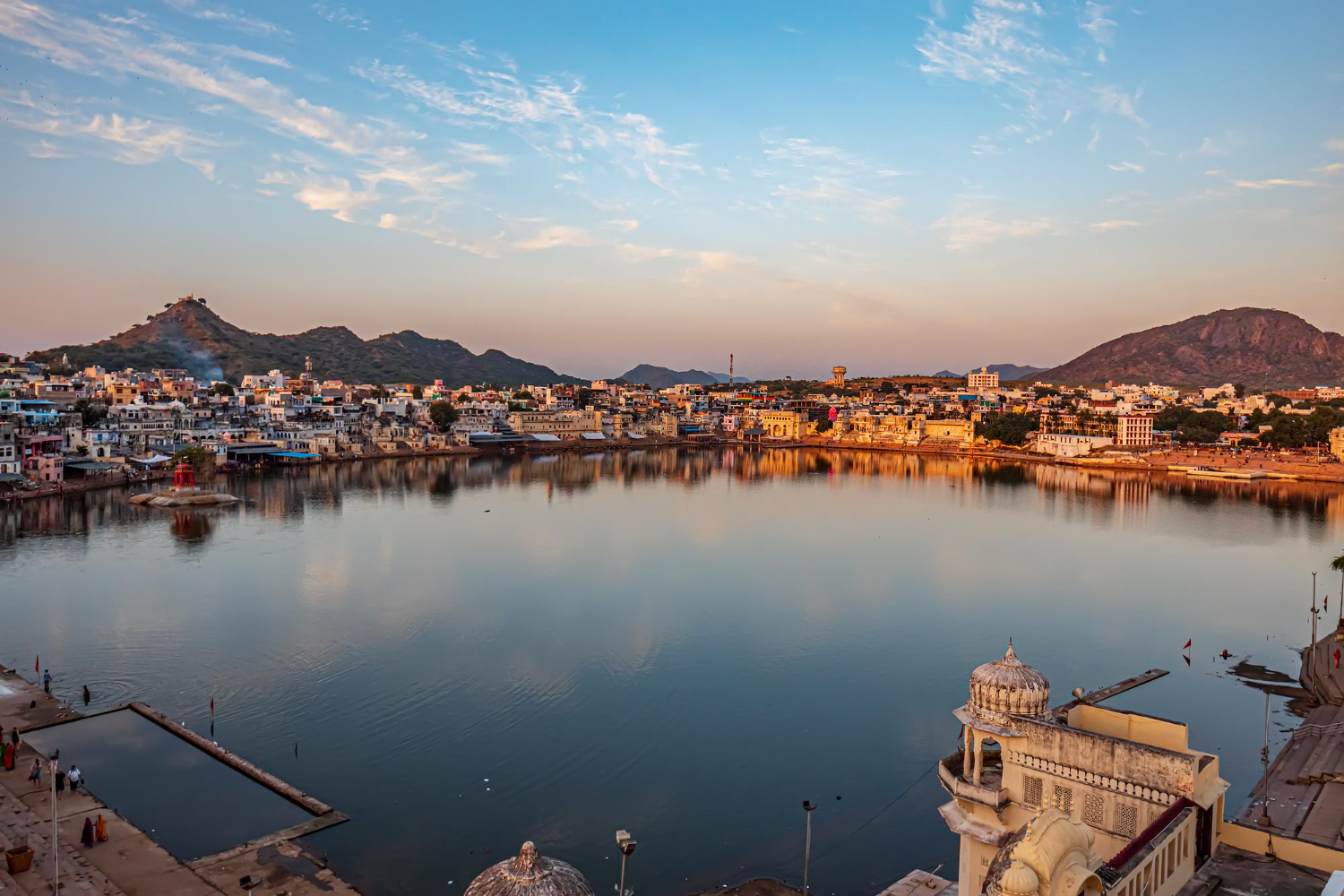
At sunrise, Pushkar Lake can look almost still, its steps catching the first warm light while temple bells carry across the water. By mid-morning, the lanes are full of shopkeepers, pilgrims, scooters and the scent of roses; beyond town, the Aravalli hills open towards dry, quiet desert country. For an overseas visitor, Pushkar is a place of striking contrasts—and it is easier to enjoy when you know a little about local customs before you arrive.
The main concern many first-time visitors share is a practical one: how can you experience Pushkar’s spiritual life and busy bazaars without feeling overwhelmed? Plan your sightseeing with respect, keep a few simple safety habits in mind, and choose a comfortable base where you can return to quieter surroundings. Sahdev Bagh offers heritage-style accommodation, landscaped gardens and a swimming pool around 3 km from Pushkar Lake. Explore the property and plan your stay at https://sahdevbaghhotels.com/sahdev-bagh-pushkar/.
Pushkar Etiquette: What Should Visitors Know?
Day One stays close to the base: the town, Badnor Fort and a slow evening. Day Two is the Bhilwara circuit as a full-day outing. A third day adds Ajmer and Pushkar, or the longer Bijolia and Menal run.
Shoes, clothing and temple visits
Remove your shoes wherever a temple or ghat entrance asks you to do so. Wear clothes that cover your shoulders and knees when visiting religious places; a light scarf is useful, particularly for women and for covering up when needed. Carry shoes in a bag only where permitted, and use the designated shoe stand or locker if one is available.
At Jagatpita Brahma Temple, check the current entry rules before setting out. Mobile phones, cameras and some personal items may need to be left in the designated storage area, and photography inside the shrine is not permitted. Avoid carrying more than you need, and follow staff instructions rather than assuming rules are the same at every temple.
Photography and Pushkar Lake ghat etiquette
Ask before photographing people, priests or ceremonies, and never photograph people bathing or praying at close range without permission. The ghats are sacred spaces, not simply scenic viewpoints. Remove footwear where signs indicate, keep voices low, avoid littering, and do not enter the water unless you understand the local rules and have been invited to do so.
How to handle unsolicited blessings or flower offerings
Around the lake, someone may offer flowers, a thread or a blessing and then request a large payment. You can politely decline before accepting anything: “No thank you, I’m just looking.” If you want a ritual or donation, agree on the amount beforehand and give it only when you choose. Not every priest or guide is trying to mislead visitors; the useful safeguard is to make the choice and the price clear before the ritual begins.
What to See and Do in Pushkar
1. Walk around Pushkar Lake and its sunset ghats
Pushkar Lake is the spiritual heart of the town, ringed by bathing steps and temples. Visit early, when the air is cooler and the town is waking up, or return near sunset for the changing light. Varaha Ghat, Brahma Ghat and Gau Ghat are among the well-known places to orient yourself, but the mood and access can vary during rituals and festivals.
Move slowly, read posted notices and leave room for worshippers. If you would like to understand what is happening, ask a guide or hotel team member to explain the ceremony rather than interrupting it. During busy religious dates, some areas may be restricted or crowded.
2. Visit Jagatpita Brahma Temple
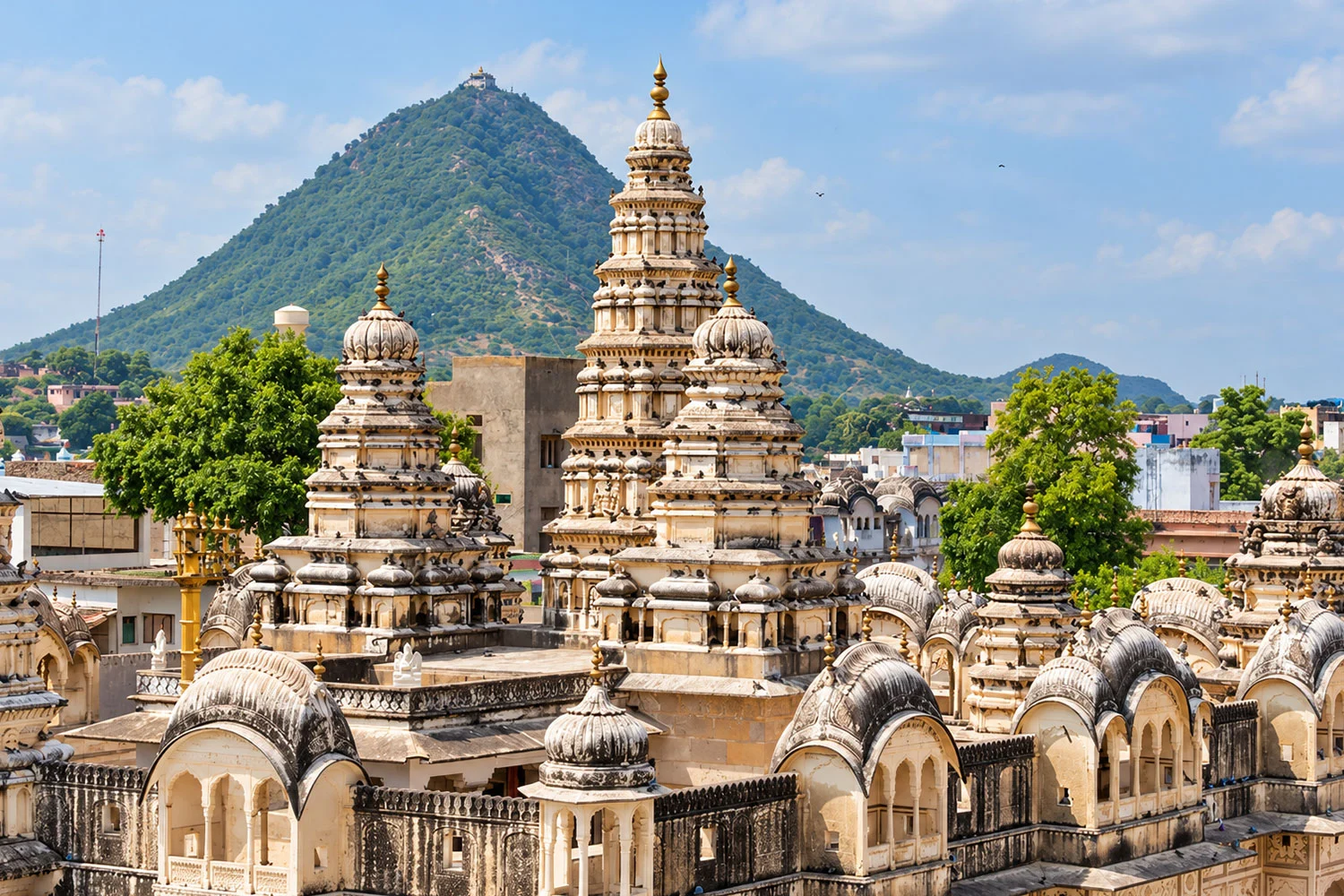
The Brahma Temple is one of Pushkar’s most important religious landmarks and a meaningful stop even for visitors who are learning about Hindu traditions for the first time. An early visit is often more comfortable than arriving in the middle of the day, when queues and heat can make the experience slower.
Opening hours and entry procedures can change around festivals or for local reasons, so confirm timings on the day. Leave cameras and unnecessary belongings behind, cover your shoulders and knees, remove footwear at the designated point, and ask before taking photographs anywhere around the complex.
3. Choose a sunrise hike or the Savitri Temple ropeway
Savitri Devi Temple sits on a hill above Pushkar and rewards visitors with broad views of the lake, rooftops and surrounding hills. If you enjoy walking and are comfortable with a steep climb, start before sunrise with water, sturdy shoes and a charged phone; avoid attempting the climb in extreme heat or alone in darkness.
The ropeway is a more convenient option for many travellers and gives you the views without the full uphill walk. It generally begins operating later in the morning, and service can be affected by weather or maintenance. Check current timings and fares locally before you go. For sunrise, the hike is the usual option; for an easier ascent, choose the cable car when it is running.
4. Browse the bazaars for textiles, rose products and crafts
Pushkar’s market lanes are good places to browse printed fabrics, scarves, jewellery, rose water and small gifts. Rajasthan is known for its rose-growing traditions, and rose-based products make a light, easy-to-pack souvenir. Compare prices at a few stalls, check labels and packaging, and ask what a product is made from if materials matter to you.
If you prefer leather-free shopping, say so clearly and check the item rather than relying on its appearance. Bargaining is common in many market stalls, but keep it friendly. Carry small notes for modest purchases, watch your belongings in crowded lanes, and agree on a price before a rickshaw ride or paid service.
A Calmer Base: Why Stay at Sahdev Bagh?
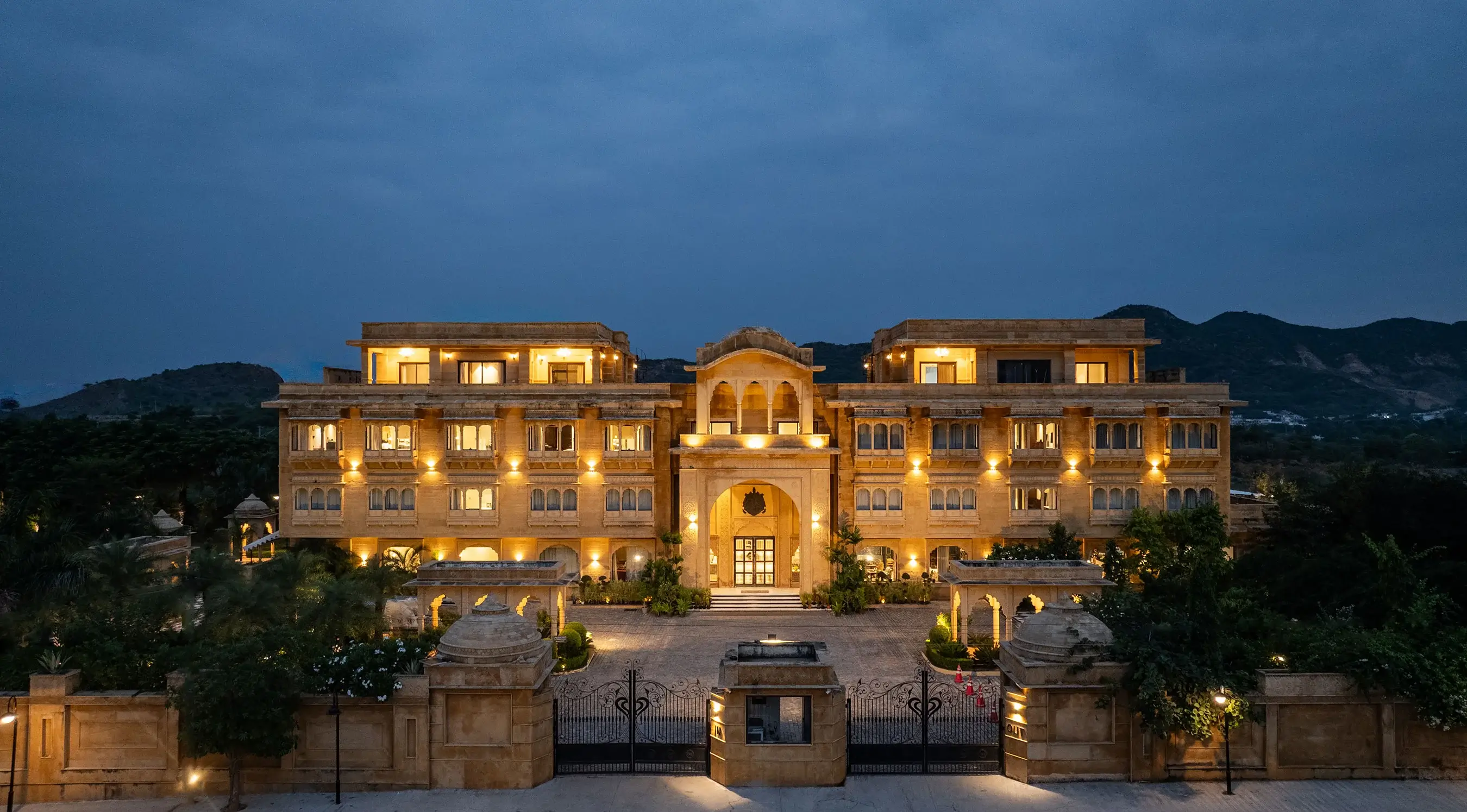
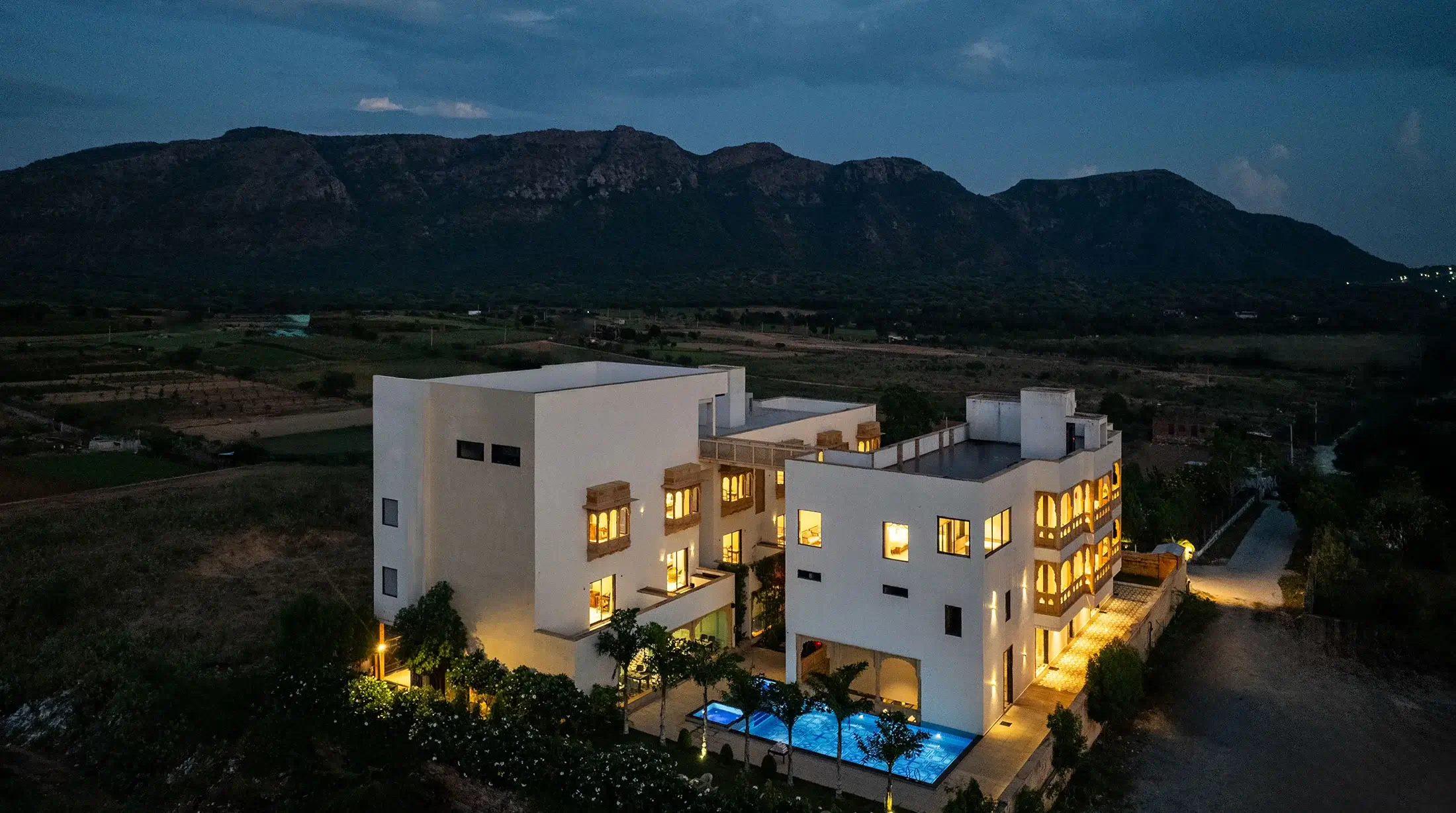
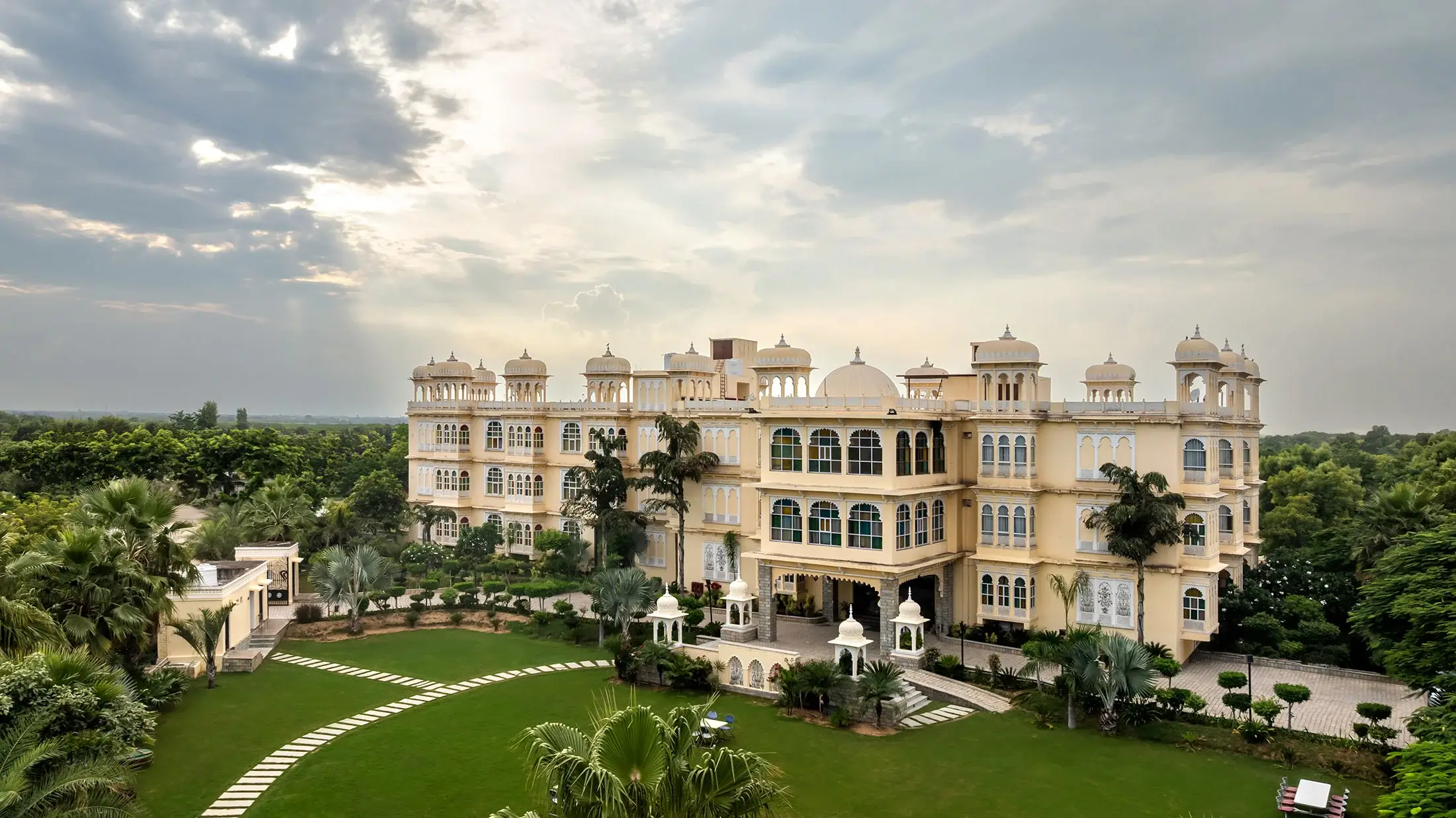
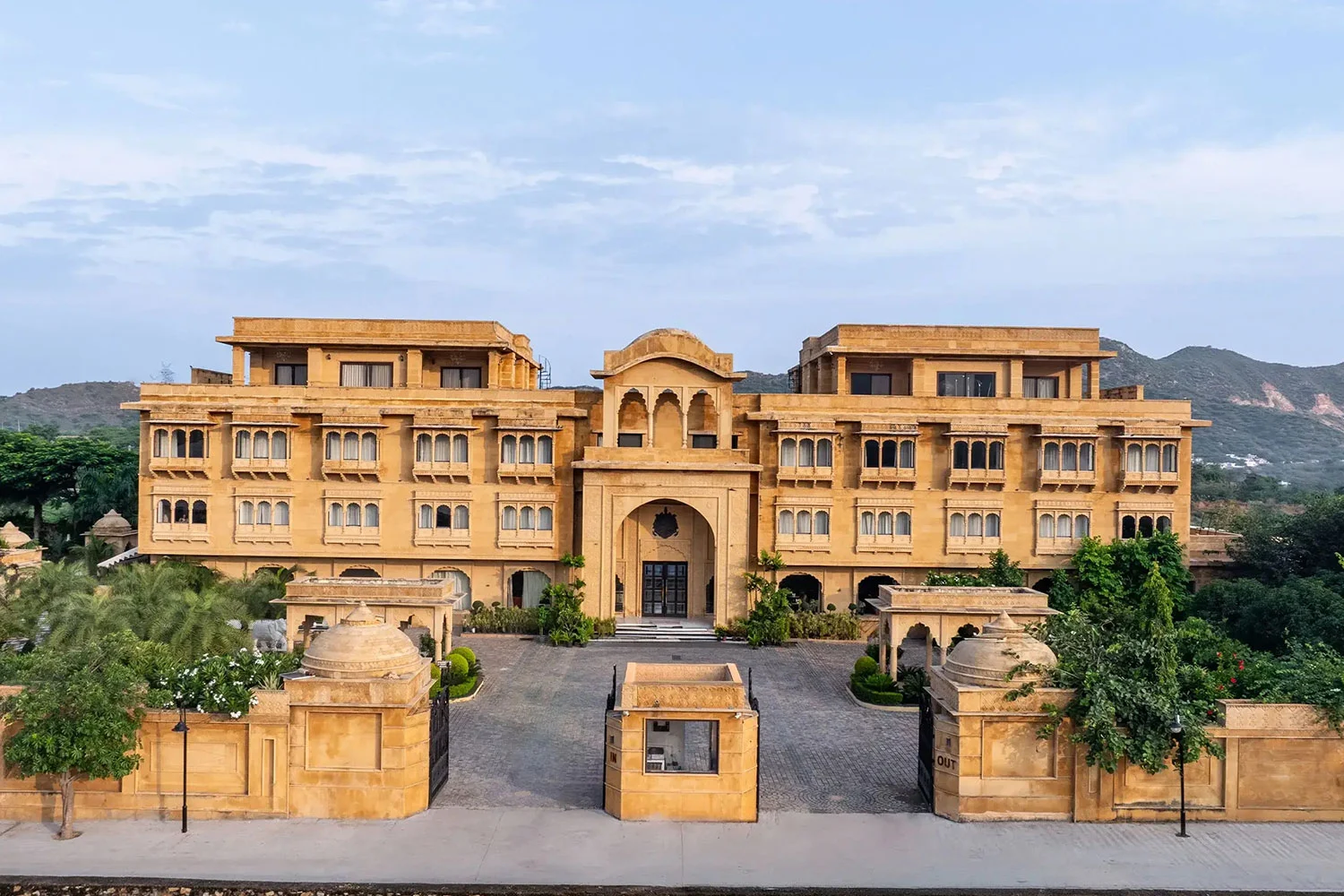
Sahdev Bagh Hotel Pushkar gives travellers a quieter setting away from the busiest market lanes while keeping the town’s major sights within reach. The property combines Rajput-inspired architecture, landscaped gardens, a swimming pool and dining spaces, making it a useful place to pause between temple visits, shopping and excursions.
For international guests, comfort often comes down to the practical details: a room that feels restful after a warm day, clear help with local transport, and food that suits different preferences. Sahdev Bagh’s dining options include both vegetarian and non-vegetarian dishes, which is helpful for mixed groups and travellers who want a choice of meals during their stay. When booking, contact the hotel directly to confirm current menu choices, drinking-water arrangements, and any dietary or allergy requirements.
The gardens and pool offer space to slow down after time in the town centre. Guests can also ask the team about arranging local sightseeing, transport and desert experiences, depending on availability and season. To view accommodation and contact the hotel, visit https://sahdevbaghhotels.com/.
If you are comparing the best place to stay in Pushkar for a cultural trip, think about the rhythm you want: a room right beside the busiest lanes, or a retreat where you can return to a quieter environment. Sahdev Bagh is around 3 km from Pushkar Lake, so plan for a short drive or local transfer rather than assuming every attraction is on the doorstep.
Practical Pushkar Travel Checklist
When is the best time to visit?
October to March is generally the most comfortable period for exploring Pushkar, with cooler mornings and more pleasant daytime conditions than the hot season. December and January can feel cold after sunset, so bring a warm layer. October and November can be busy, especially around the Pushkar Camel Fair and other festival dates; book accommodation and transport early if your dates overlap.
April to June can be very hot, with strong midday sun. If travelling then, plan outdoor walks for early morning or late afternoon, carry water and take breaks. The monsoon period can bring humidity and occasional rain, so check forecasts and allow flexibility.
How do you get to Pushkar?
Ajmer Junction is the nearest major railway connection, roughly 15 km from Pushkar. From there, travellers can continue by taxi, auto-rickshaw or bus. Jaipur International Airport is the main option for many international itineraries, while Kishangarh Airport may be convenient when a suitable flight is operating. Flight schedules and route availability change, so compare live options before choosing your arrival airport.
If arriving late, travelling with several bags or visiting during a festival, arranging a pickup in advance can make the final leg simpler. Confirm the pickup point, fare and vehicle details before departure, and share your arrival time with your accommodation.
Money, SIM cards and getting around
Keep some Indian rupees in cash for small shops, tips and local transport. UPI digital payments are widely used in India, but access usually depends on having a supported payment setup; international visitors should not assume their overseas card or phone wallet will work with every QR code. Carry a bank card as a backup and tell your bank about your travel plans if required.
A local SIM or eSIM can help with maps, ride coordination and contacting your hotel. Indian SIM activation rules and availability vary, so check what documents are required before purchasing. For short journeys around town, walking and local auto-rickshaws are common options; agree on the fare before starting if the vehicle does not use a meter or app.
Food, water and dress
Pushkar has a strong vegetarian food culture, especially around its sacred lake and temples, but dining options vary across the town. At Sahdev Bagh, guests can choose both vegetarian and non-vegetarian dishes, making it easier for couples, families and groups with different food preferences to dine comfortably. Ask the restaurant team about the current menu, ingredients and any dietary requirements before ordering.
Choose sealed bottled water or ask your accommodation to explain its filtered-water arrangements. Use caution with ice and raw foods if you have a sensitive stomach. Pack breathable clothes, a scarf, sun protection, comfortable walking shoes and a warmer layer for winter evenings. Modest clothing is especially helpful at temples and the lake.
Frequently Asked Questions
Make Pushkar Your Own
Pushkar is best enjoyed with curiosity and consideration: take time beside the lake, learn the stories behind its temples, browse the market without rushing, and leave space in your day for an unplanned conversation or a quiet cup of chai. The town can be lively, but it also offers moments of stillness when you step away from the busiest lanes.
For a comfortable base with heritage character, gardens and a swimming pool, explore Sahdev Bagh and contact the team about your travel dates, transport, dining preferences and possible local experiences. Reserve directly through https://sahdevbaghhotels.com/contact-us.html and let us help you plan a stay that balances cultural discovery with a genuine Rajasthani welcome.

At Sahdev Bagh Hospitality, our vision has always been to create experiences that celebrate Rajasthan’s heritage with heartfelt hospitality. As a luxury hotel in Pushkar and a sought-after wedding resort, we take pride in offering elegant stays, unforgettable celebrations, and personalised service. Every guest becomes a part of our story, making every visit and every wedding truly memorable.