Pushkar in Two Days: A Ghat, Temple and Sunset Itinerary With a Heritage Stay
Two days is enough to cover Pushkar Lake, its main temples and one proper sunset. Day one belongs to the ghats and the old town. Day two goes to Naga Pahar in the morning and Savitri Mata Temple at sunset. Where you sleep matters more than most itineraries admit, and the best places to stay in Pushkar are the ones that make early starts and late returns easy. This plan uses Sahdev Bagh Hotels in Nedaliya, a heritage-style property a short drive from the lake, as the base.
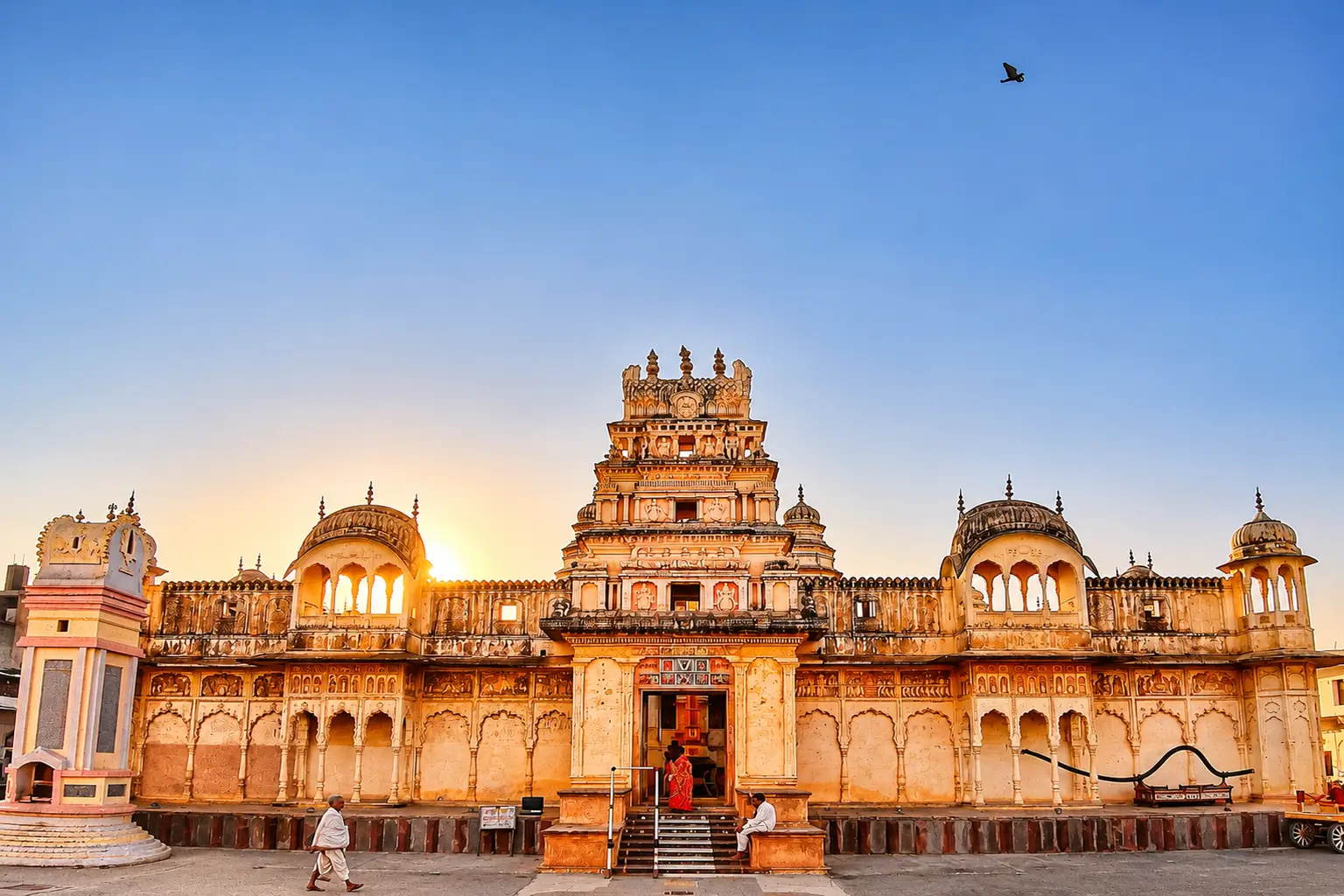
Pushkar 2-Day Itinerary at a Glance: What Fits, What Waits
Day one stays close to the lake and can be done mostly on foot. Day two needs a vehicle or the ropeway. The optional rows each need extra time, so treat them as swaps, not additions.
| Slot | Stop | Why it works at that time |
|---|---|---|
| Day 1, sunrise | Gau, Brahma and Varaha Ghats | Ritual baths and prayers are under way and the crowds are thin. |
| Day 1, late morning | Brahma, Varaha and Rangji temples, Apteshwar Mahadev | A loop inside the old town, best finished before the midday heat. |
| Day 1, afternoon | Main Bazaar | Better after lunch, once the heat starts to drop. |
| Day 1, sunset | Evening aarti at the lake | Starts around sunset, so arrive early for a step. |
| Day 2, morning | Naga Pahar | Cooler air and clear views over the town. |
| Day 2, midday | Rest at the hotel | Several temples close for a few hours around noon. |
| Day 2, late afternoon | Savitri Mata Temple and sunset | Reach the hill at least an hour before the light goes. |
| Optional, half day | Ajaypal Temple | Swap in for Naga Pahar. |
| Optional, half to full day | Merta | About an hour or more each way by road. |
| Optional, full day | Todgarh-Raoli Sanctuary | Well over 100 km out, so it needs its own day. |
Day One: Dawn Ghats, Temple Loop and Aarti at Dusk
Pushkar Lake Before the Crowds Wake Up
Be at the water around sunrise. Pushkar Lake is surrounded by 52 ghats, and Gau Ghat, Brahma Ghat and Varaha Ghat are the three most visited. At that hour the steps are in use for ritual baths and prayers, so this is a walk, not a photo session. Remove your shoes where others do, and keep your camera down around anyone who is bathing.
Expect priests to approach you offering a flower puja at the water. Decide before you arrive whether you want one. If you do, agree on what you will give before the ritual starts, not after. A polite no usually ends the conversation.
Brahma, Varaha and Rangji Temples in One Walkable Loop
Start with the Brahma Temple, one of very few temples anywhere dedicated to Brahma. It has a red spire, a marble structure with silver coins set into it, and a four-faced image in the sanctum. Tradition links the temple to the sage Vishwamitra, and one common account dates it to the 14th century. The reason it stands in Pushkar is the legend of Savitri's curse: when Brahma married Gayatri to complete his yajna here, Savitri declared that he would be worshipped only at Pushkar. Plan an hour, and more in fair season.
The Varaha Temple, dedicated to Vishnu's boar avatar, and the Rangji Temple are both within the old town. Rangji is the one that looks out of place, in a good way, because its architecture is South Indian rather than Rajasthani. Brahma Temple hours are often listed as early morning to early afternoon, and sources disagree on the details, so check at the gate before you plan lunch around it.
Apteshwar Temple and the Old Town's Quieter Corners
Apteshwar Mahadev, also spelt Atmeshwar and Atpateshwar, is a Shiva shrine set in a cave next to the Brahma Temple. Listings date it to around the 12th century, so treat that as tradition rather than record. It draws far fewer people than the main temple, which is why it is worth ten minutes. Go in after Brahma, when you want somewhere quiet.
Main Bazaar When the Heat Drops
Hold the Main Bazaar until after lunch. Pushkar is known for its roses, so rose water and gulkand are the obvious buys, along with silver jewellery and textiles. Prices are flexible; start low and stay friendly. Cafes along the bazaar serve vegetarian food, in line with the town's pilgrimage rules. Take a longer lunch than you planned, because day one starts early.
Aarti at the Lake as the Light Goes
The evening aarti on the ghats starts around sunset. Outlook Traveller lists it at about 5:30 pm in winter and 7 pm in summer. Arrive half an hour early for a decent step, and keep your phone away during the prayers. Then head back for dinner.
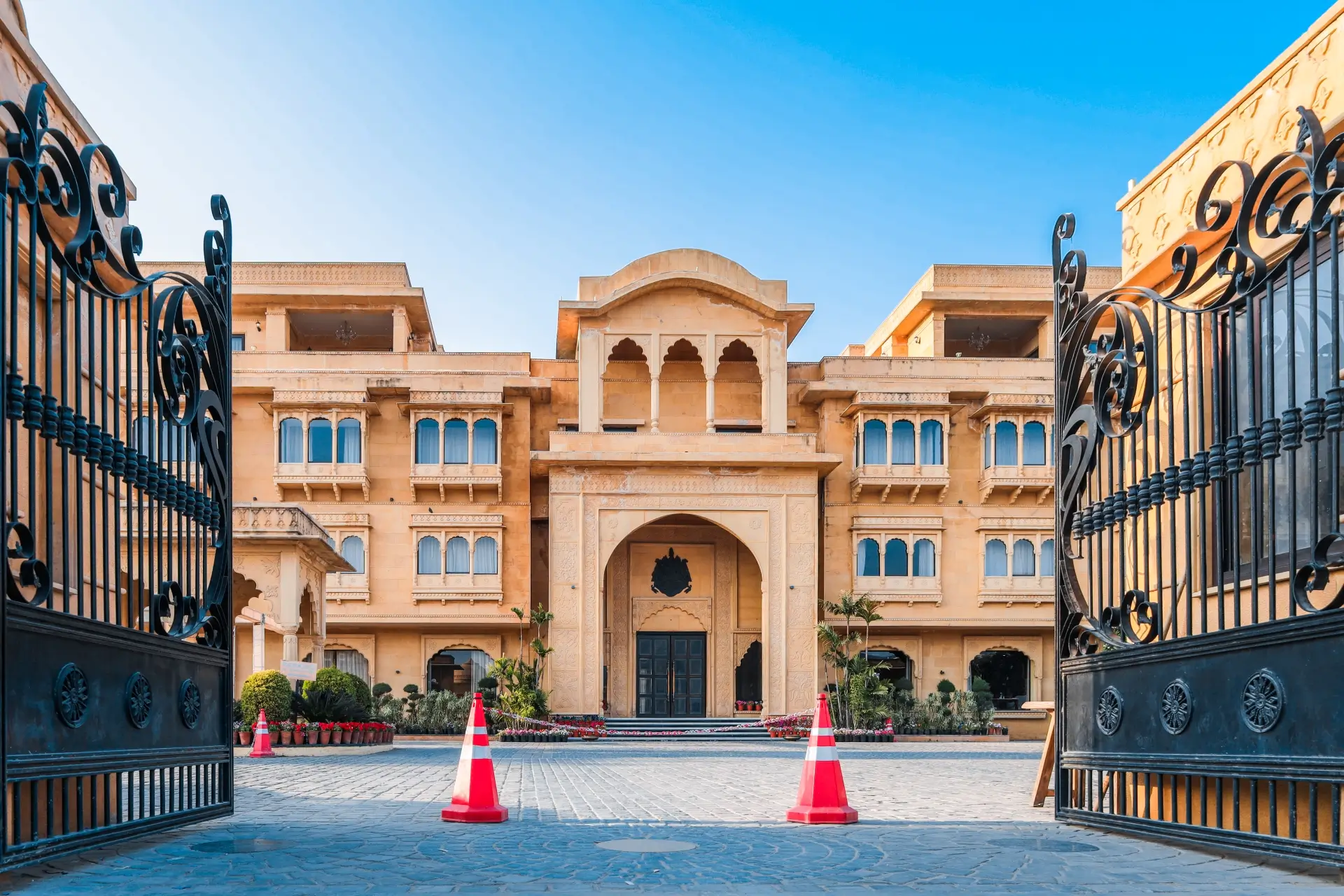
Day Two: Naga Pahar Morning, Hilltop Sunset at Savitri Mata
Naga Pahar: The Snake Mountain Between Pushkar and Ajmer
Naga Pahar, which translates as Snake Mountain, is the Aravalli ridge that separates Pushkar from Ajmer. Local legend ties it to the sage Agastya, and a lake called Nag Kund is said to lie in the hills. Photographers use it for views across the town in morning light. Go early, wear proper shoes and carry water. How far you climb is your call, so decide at the base rather than promising yourself the top. Ask the hotel to arrange a driver who knows where the trail starts.
Savitri Mata Temple: Ropeway or the Climb
Savitri Mata Temple sits on Ratnagiri Hill above the lake and is dedicated to Savitri, Brahma's first wife in the Pushkar legend. You can climb or take the ropeway. Sources give anywhere from about 650 to 970 steps, and the climb takes one to two hours at an ordinary pace. The ropeway takes around five minutes in six-person cabins, plus whatever queue builds, which grows long in fair season.
Timings are not consistent across listings. The temple is commonly shown as open from early morning to noon and again from about 4 pm into the evening, with the ropeway running roughly from 7:30 or 8 am to 7 or 8 pm. Confirm both on the day. Keep food out of sight, since monkeys use the hill too, and plan to be back down before dark. The steps are uneven and steep.
Where to Catch the Pushkar Sunset
The top of Ratnagiri Hill is the best-known sunset spot, and a viewpoint a short walk beyond the temple is popular for it. Sunset Point, east of the lake, is the lower-effort alternative if the climb does not appeal. In winter the sun goes down around 5:30 pm, so reach the hill at least an hour earlier. Carry a torch if you plan to walk down.
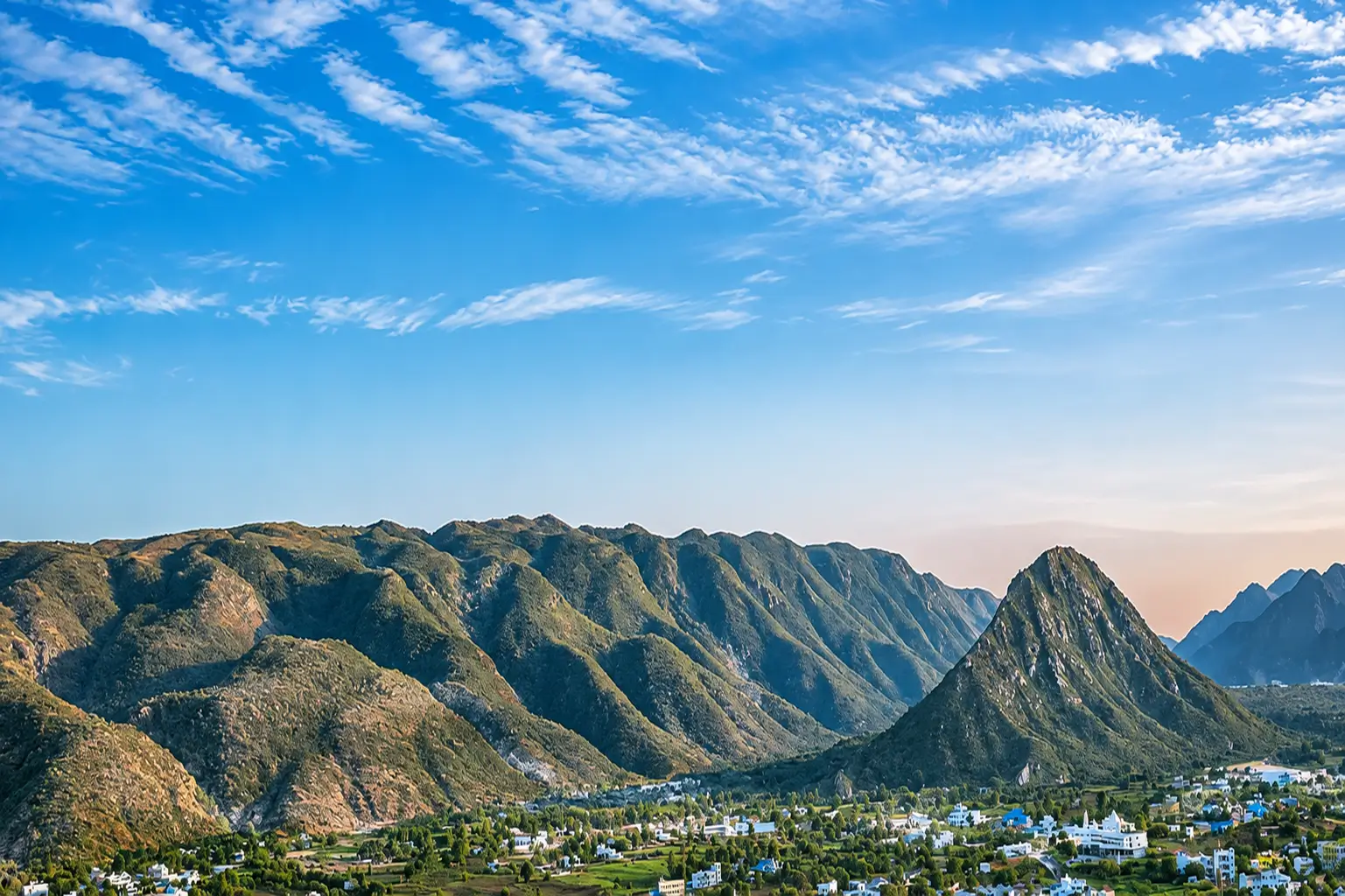
Beyond the Ghats: Places to Visit Near Pushkar Worth the Detour
Three places near Pushkar reward a longer trip, and none fits comfortably into the two days above. Pick one.
Ajaypal Temple: Aravalli Views and a Half-Day Escape
Ajaypal sits roughly 8 to 10 km from Pushkar, depending on which source you trust, along the road that leaves from the base of Savitri hill towards Kharekdi village. Lonely Planet describes a group of Shiva temples reached through barren hills and quiet villages, a trip that works by motorbike or taxi. Local tradition credits Raja Ajay Pal, the founder of Ajmer, with building the temple in the 11th century. Expect a quiet hour or two, not a major monument. It is the easiest swap for Naga Pahar on day two.
Merta: Meera Bai's Hometown, About an Hour Away
Merta lies in Nagaur district, around 61 to 63 km from Pushkar, which is roughly one to one and a half hours by road each way. The town is the birthplace of the poet-saint Meera Bai, and the Charbhuja temple, also called the Meera Bai Temple, is its best-known shrine. Meera Mahal nearby holds a small museum on her life, and the Aurangzeb Mosque and the ruins of Merta Fort are also on most visitors' lists. Give it a half day at minimum and leave early. Some online guides place Meherangarh Fort or the Kiradu temples here. Both are elsewhere in Rajasthan, so double-check any itinerary that lists them under Merta.
Todgarh-Raoli Sanctuary: Leopard Country and Dudhaleshwar Temple
Todgarh-Raoli Wildlife Sanctuary covers about 495 sq km across Ajmer, Pali and Rajsamand districts and was established in 1983. Leopard, sloth bear, chinkara, wild boar, langur and Indian wolf are the animals listed for it. Dudhaleshwar Temple sits inside the sanctuary and has a spring that guides describe as perennial.
Distance is the catch. Depending on the route and the source, the sanctuary is somewhere between 110 and 135 km from Pushkar and about 120 km from Ajmer, so this is a full day with an early start, or an overnight, not a detour. Safari slots are commonly listed as 6 to 11 am and 3 to 6:30 pm. Confirm permits and timings at the entrance. October to March is the cooler window, and sightings are a bonus rather than a promise.
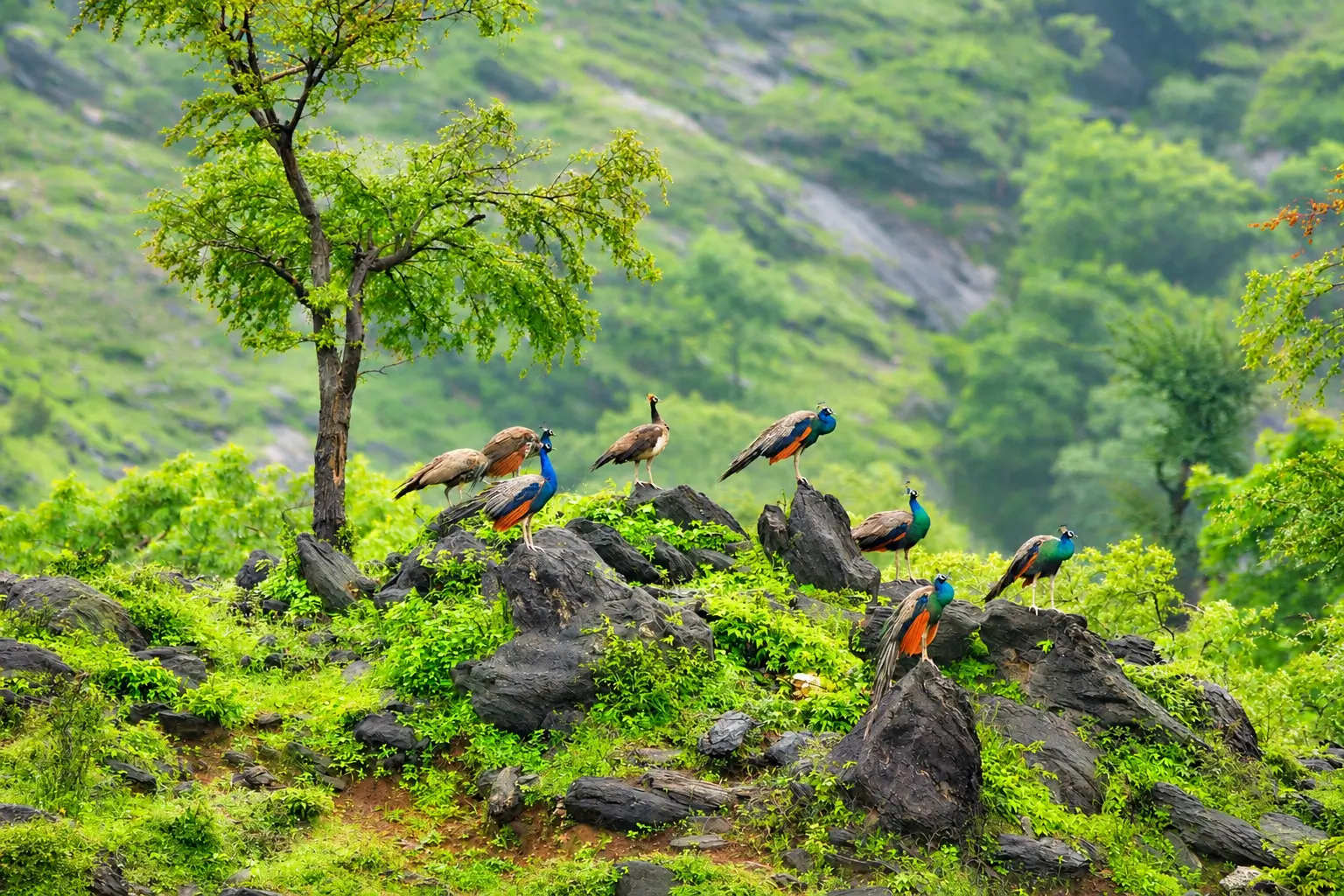
Best Places to Stay in Pushkar, Compared by Style
Stays in Pushkar fall into four types, and the right one depends on whether you want to walk to the ghats or come back to space and be quiet.
| Type of Stay | Suits | Trade-off |
|---|---|---|
| Ghat-side guesthouse or haveli | Travellers who want the lake at the door and plan to walk everywhere. | Narrow lanes, limited parking and noise on festival nights. |
| Hotel in the main town | Short walks to the bazaar and temples. | Busy surroundings, with room quality varying widely. |
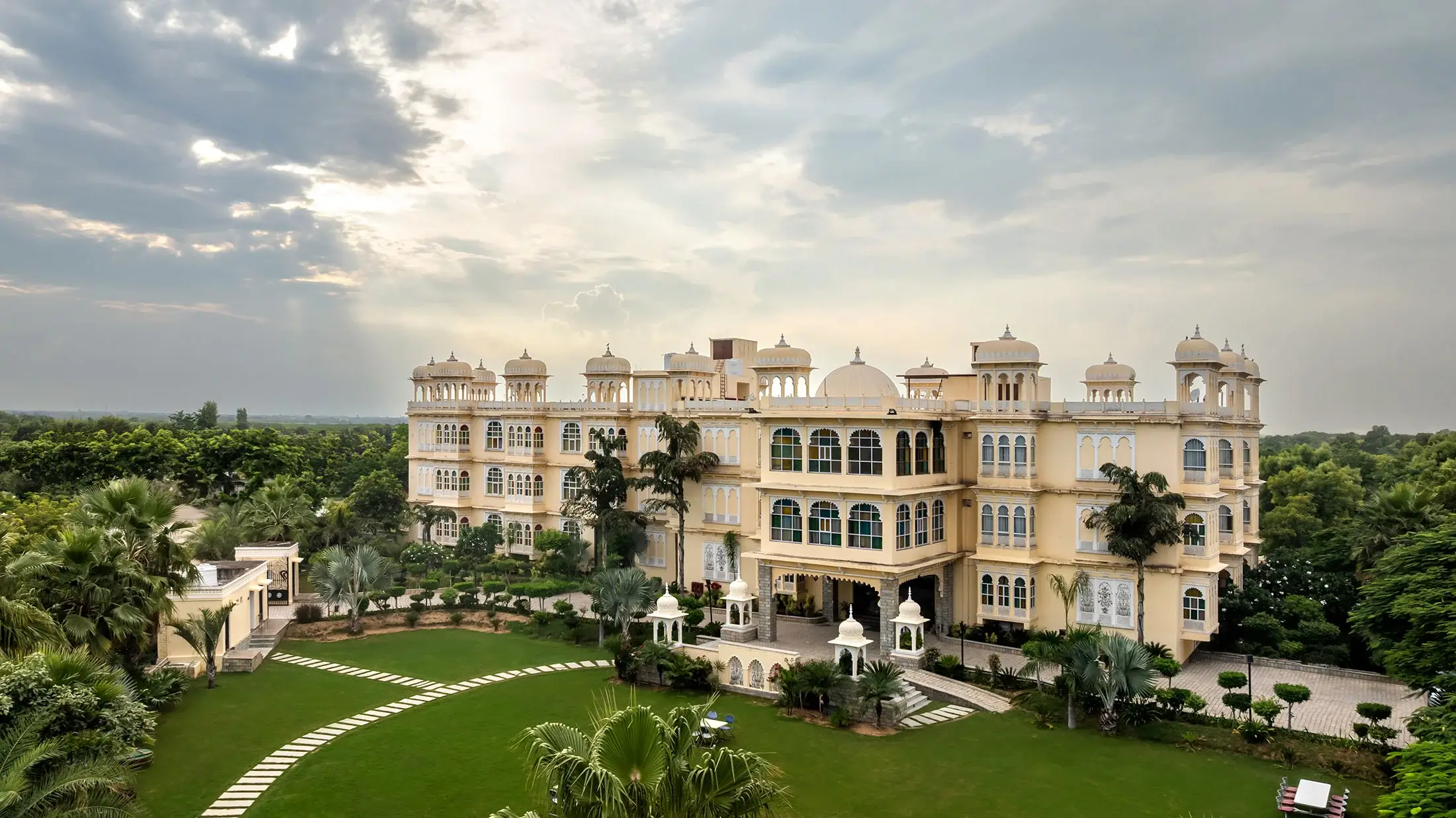
| Heritage property on the edge of town | Space, parking, a pool and quieter nights. | A short drive to the ghats, so mornings need a car. |
| Camp or resort outside town | Open land, events and a desert feel. | The longest transfers and the fewest evening options in town. |
What to Check Before You Book
Ask how many minutes the lake is by car at dusk, not how many kilometres it is on a map. Vehicle access near the lake is limited, so find out where your car can actually stop and how guests reach the ghats at 6 am. Confirm parking, check whether the hotel arranges taxis, and ask about noise if your dates fall in fair week. Look at the rooms themselves too: air conditioning, windows that open to something pleasant, and a place to rest through the midday gap when most temples are closed. A cheap room that costs you an hour of transfers each day is not cheap.
Why a Heritage Stay Anchors Two Days in Pushkar: Sahdev Bagh Hotels
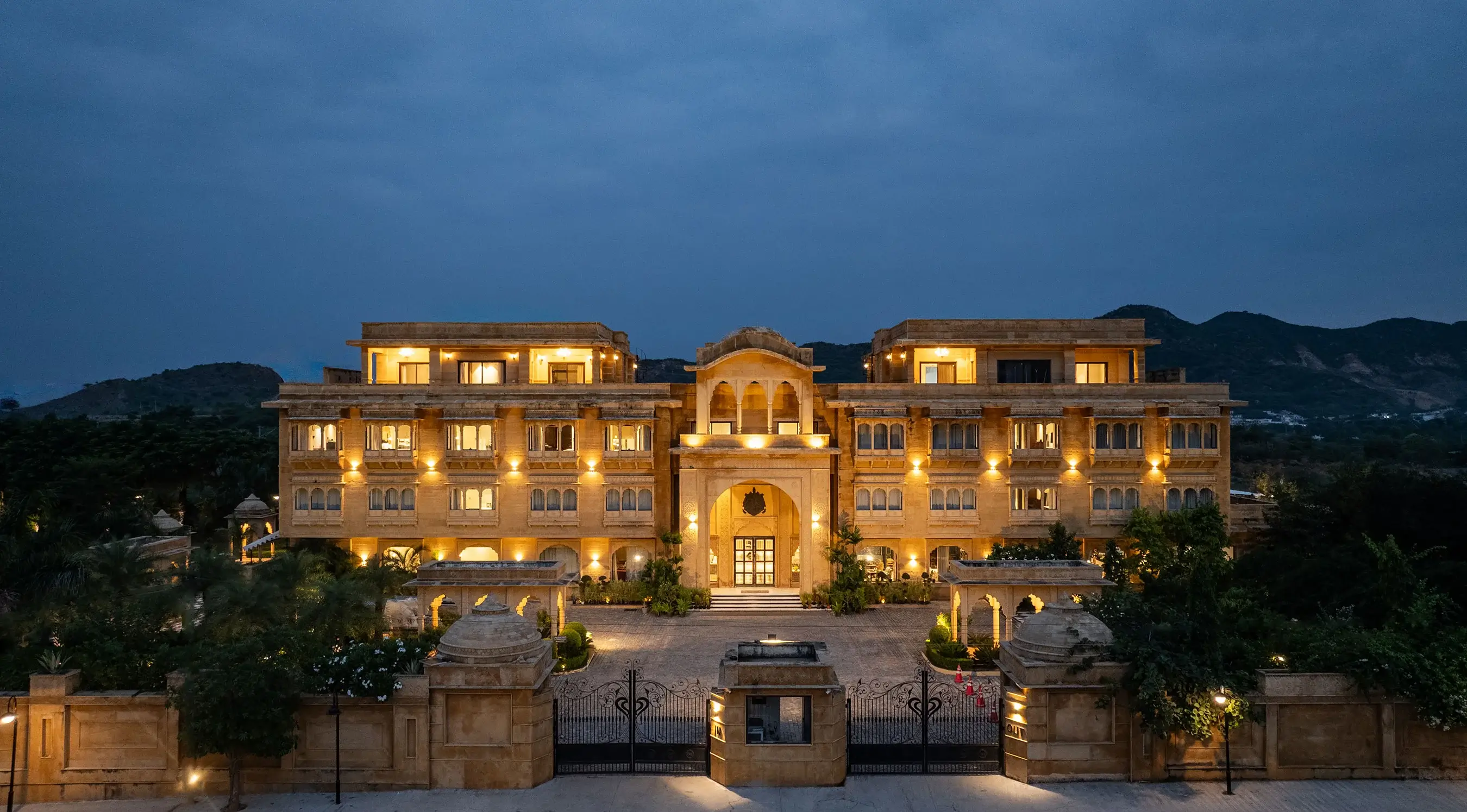
Among the places to stay in Pushkar with real heritage character, Sahdev Bagh Hotels suits a two-day plan that mixes early temple mornings with a long midday break.
Nedaliya: The Quiet Side of Pushkar
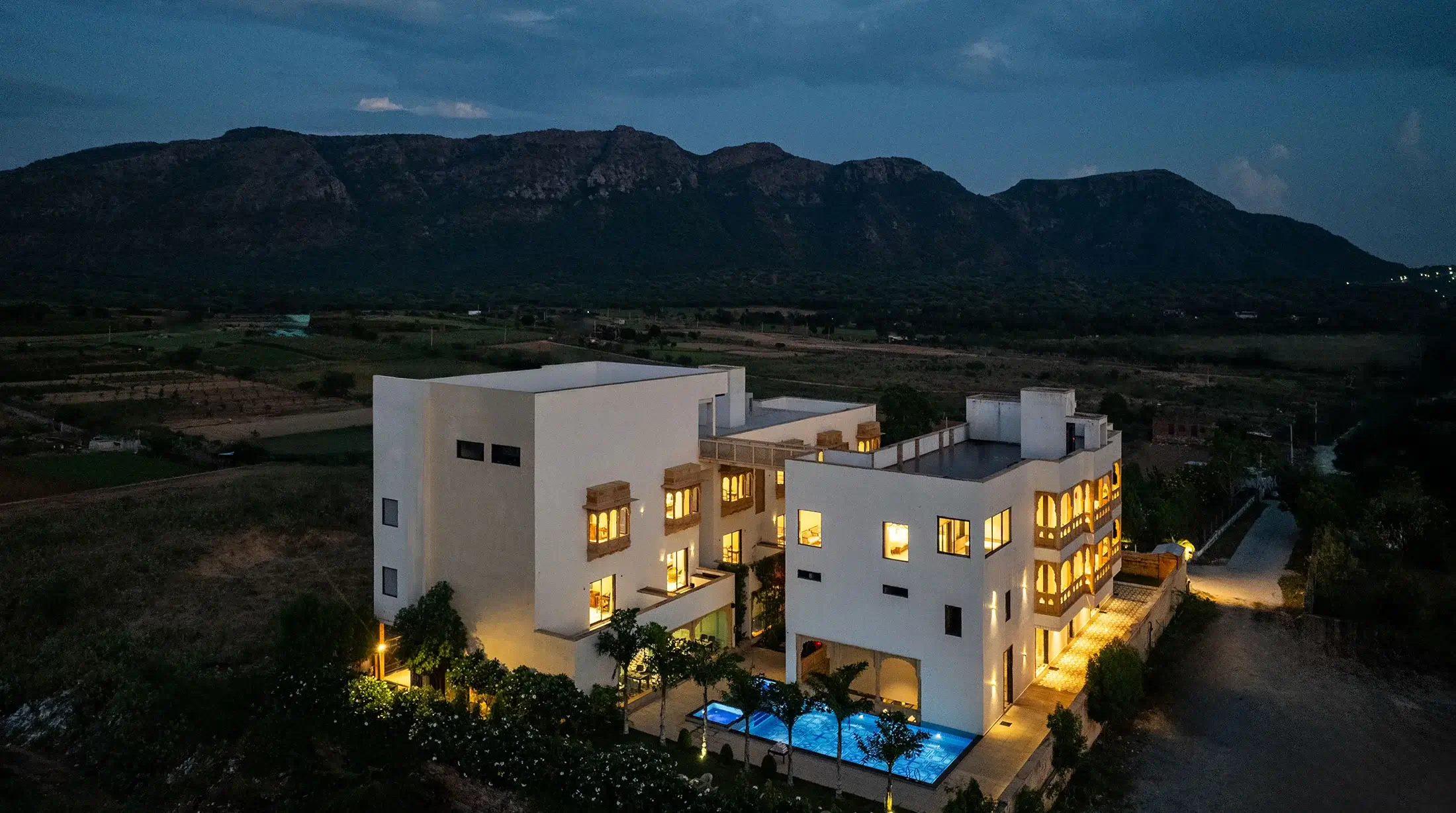
Sahdev Bagh is on Budha Pushkar Road in Nedaliya, on the edge of Pushkar and away from the lake lanes. Listings put Savitri Mata Temple a few kilometres away, roughly a four-minute drive, and Pushkar Lake around 5 km. That makes the ghats a drive, not a stroll, so book a car the evening before your sunrise visit. In exchange you get free on-site parking and nights without festival crowds outside the door.
Heritage Rooms, Pool and Manwaar Restaurant
Rooms are heritage-style, and booking sites list Heritage Rooms and a Maharaja Suite with a jacuzzi. There is an outdoor pool, which earns its keep during the midday break on day two. The property's restaurant, Manwaar, is described as drawing on Rajasthani royal cooking. Check current room categories, rates and kitchen timings with the hotel directly, since booking sites do not always agree.
A Base That Works for the Add-On Trips
The hotel arranges taxi and car hire, which matters because Merta and Todgarh-Raoli need early starts. Tell the front desk the night before which trip you plan and ask for a driver who knows the route. Kishangarh Airport, the nearest commercial airport, is roughly 35 to 40 km away, so arrivals by air can go straight to the property.
Timing the Trip Around Winter Mornings and Fair Week
October to March is the comfortable season for walking the ghats and climbing Ratnagiri Hill, and it is also when rooms fill. Summer afternoons are hot enough to make the Savitri climb unpleasant.
The Pushkar Camel Fair falls in the Hindu month of Kartik and peaks on Kartik Purnima. For 2026, the announced window is 17 to 24 November, with the main bathing day on 24 November, though the exact programme is set locally each year. In fair week the better rooms go months ahead, the ghats are crowded at dawn and the ropeway queue grows. If you travel then, book early, treat the temple loop as a morning-only plan and expect everything to take longer.
Planning Mistakes That Cost Pushkar Travellers Half a Day
The most common one is climbing to Savitri Mata at midday. The temple is commonly shown as closed through the early afternoon, and the heat does the rest. Go in the late afternoon and build the sunset around it.
People shortlisting places to stay in Pushkar often sort by distance to the lake alone, then lose an hour a day to parking and traffic at dusk. Another is stacking Todgarh-Raoli on top of a two-day plan. At more than 100 km out, it needs its own day. Finally, many travellers skip the dawn ghat visit because it sounds like a chore, and it is the one part of the trip that looks different the rest of the day.
Getting to Pushkar and Moving Between Stops
Ajmer is the main railhead, around 10 km and 30 minutes from Pushkar by road. Pushkar also has its own station, which is roughly a 15-minute drive from Sahdev Bagh. Kishangarh Airport is the nearest commercial airport. Inside town, the lake area is best covered on foot, and the hotel's taxis handle everything beyond it, including Naga Pahar, Ajaypal and Merta.
Pushkar Trip FAQs
Booking Your Two Days
Start with the ghats at sunrise, spend the second afternoon on Savitri hill and sleep somewhere that makes both easy. If you are comparing places to stay in Pushkar for a short trip, weigh the drive to the lake against the space and parking you get back. Sahdev Bagh Hotels takes bookings directly, and fair week and the October to March season fill early. Call the team to confirm availability and ask them to line up a driver for any add-on trip.

At Sahdev Bagh Hospitality, our vision has always been to create experiences that celebrate Rajasthan’s heritage with heartfelt hospitality. As a luxury hotel in Pushkar and a sought-after wedding resort, we take pride in offering elegant stays, unforgettable celebrations, and personalised service. Every guest becomes a part of our story, making every visit and every wedding truly memorable.